
- Research Areas
- Special Projects
- Sponsors and Funding
My research focuses on the development of novel optimization methods and the application of those methods to solve complex decision-making problems primarily in healthcare and sports.
- Inverse Optimization
- Robust Optimization
- Machine Learning
- Radiation Therapy
- Cardiac Arrest & Public Access Defibrillators
- Global Health
- Sports Analytics
- Healthcare Operations
- Sustainability
- Education
| 172. | Conformal inverse optimization for adherence-aware prescriptive analytics Journal Article Forthcoming T. C. Y. Chan, E. Delage, B. Lin In: Operations Research, Forthcoming. @article{ChanTCY.J147, |
| 171. | Analytics for better urban cycling at the City of Toronto Journal Article Forthcoming B. Lin, M. Bonsma-Fisher, S. Saxe, T. C. Y. Chan In: INFORMS Journal on Applied Analytics, Forthcoming. @article{ChanTCY.J146, |
| 170. | Uncertainty quantification in data-driven inverse optimization via Bayesian inference Miscellaneous T. C. Y. Chan, N. Sandholtz, N. Yousefi 2026. @misc{ChanTCY.Pre022,Inverse optimization (IO) is used to estimate unknown parameters of an optimization model from observed decisions. In the data-driven context, the estimated parameters are inherently uncertain, yet quantifying this uncertainty has received limited attention in the literature, where existing methods return a point estimate. In this paper, we propose a hierarchical Bayesian framework for parameter uncertainty quantification in data-driven inverse optimization. Considering two data-generating processes, we develop two Markov chain Monte Carlo algorithms to estimate the posterior distribution of the unknown parameter vector, which is used to construct credible regions. We establish posterior consistency under standard identifiability conditions. Numerical experiments demonstrate near-nominal empirical coverage of the credible regions and show that the regions shrink as the number of observed decisions increases. |
| 169. | Gamma Knife knowledge-based planning with isocenter selection Journal Article B. Zhang, M. Ruschin, T. C. Y. Chan In: Medical Physics, vol. 53, no. 5, pp. e70463, 2026. @article{ChanTCY.J145,Background: In Gamma Knife (GK) radiosurgery, effective treatment planning aims to achieve a desired dose distribution while minimizing the overall treatment duration. Clinically, plans are generated either manually through forward planning, or using inverse planning methods. To address the limitations presented by forward and inverse planning, a knowledge-based planning (KBP) pipeline was recently developed for GK, using 3D dose predictions in combination with inverse optimization. However, this approach still relied on manually selected isocenter locations, which may limit plan quality. Purpose: To develop a complete KBP pipeline for GK, combining dose prediction with the simultaneous optimization of isocenter locations and beam-on-times. Methods: Data for 20 patients were obtained from a local care center. A previously trained deep learning model generated 3D dose predictions for each case. The primary treatment planning model was a mixed-integer model (GK-KBP-OptIso) that combined isocenter selection with beam-on-time optimization. Plans were generated under several different maximum allowable isocenter limits and compared against (1) plans generated using an existing KBP pipeline with fixed, manually selected isocenters (GK-KBP-FixIso) and (2) historical clinical plans. Plan quality was assessed using coverage, selectivity, Paddick conformity, and gradient indices, along with overall treatment time. Results: Under the same isocenter limits, GK-KBP-OptIso achieved comparable conformity to GK-KBP-FixIso (0.657 ± 0.161 vs 0.684 ± 0.152) while significantly improving dose falloff. It also matched clinical plan quality, though with slightly increased treatment times. However, when allowed to use variable number of isocenters, GK-KBP-OptIso produced plans with a higher average conformity (0.717 ± 0.124) than clinical plans (0.662 ± 0.113). Conclusions: A KBP pipeline that integrates isocenter selection yields plans that are equal or superior to those generated using KBP with manually selected isocenters or manual clinical planning. The presented approach holds the potential to streamline the effort required to generate high-quality GK treatment plans. |
| 168. | Improving the composition of donor milk using machine learning and optimisation techniques Journal Article J. Muts, D. Knevel, D. den Hortog, R. K. Wong, T. C. Y. Chan, B. J. van Keulen, J. B. van Goudoever, C. H. P. van den Akker In: PLOS One, vol. 21, pp. e0345653, 2026. @article{ChanTCY.J144, |
| 167. | When proximity to sustainable transportation infrastructure does not match accessibility to opportunities: A Canadian case study Book Chapter Forthcoming M. Bonsma-Fisher, A. Soukhov, V. Rawal, T. C. Y. Chan, S. Saxe In: Handbook of Transport Equity, Edward Elgar Publishing, Forthcoming. @inbook{ChanTCY.Oth013, |
| 166. | Optimizing inter-hospital patient transfer decisions during a pandemic: A queueing network approach Journal Article Forthcoming T. C. Y. Chan, J. Park, F. Pogacar, V. Sarhangian, E. Hellsten, F. Razak, A. Verma In: Manufacturing & Service Operations Management, Forthcoming. @article{ChanTCY.J143,Problem definition: Geographical mismatch between demand for care and healthcare resources was a major challenge during the COVID-19 pandemic. Therefore, inter-hospital patient transfers emerged as a key aspect of the pandemic response in many countries. We propose and investigate inter-hospital patient transfer policies to alleviate hospital congestion and inequity in the distribution of COVID patients across the health system. Methodology/Results: We propose a queueing network model capturing salient features of patient flow between acute wards and ICUs, both within and between hospitals in the network. We formulate a stochastic control problem for determining optimal patient transfer policies and develop a solution method by leveraging a deterministic fluid approximation of the queueing network. Using unique data during the pandemic from 17 hospitals in Ontario, Canada, we estimate and validate our model, and conduct a comprehensive case study. Following our policy, the expected number of patient days above the 95% capacity can be reduced by up to 58.6% in wards and 35.7% in ICUs while improving COVID load inequity by up to 35.4%, compared to the no-transfer policy. Our approach also outperforms the historical transfer decisions that were made without guidance from our model. Lastly, and most notably, our data reveals that the lengths-of-stays of COVID patients were markedly longer and more variable across hospitals than non-COVID patients. Despite these differences, our proposed transfer policies are equally effective for reducing both imbalanced congestion and COVID load inequity when limiting transfers only to COVID patients. Managerial implications: Guiding patient transfers using our approach can be effective in addressing imbalanced congestion and inequity during pandemics or other episodes of surge (e.g., flu season). These benefits are achievable with relatively small numbers of daily transfers and by only transferring COVID patients. |
| 165. | Network flow models for robust binary optimization with selective adaptability Journal Article Forthcoming M. Bodur, T. C. Y. Chan, I. Y. Zhu In: INFORMS Journal on Computing, Forthcoming. @article{ChanTCY.J142,Adaptive robust optimization problems have received significant attention in recent years, but remain notoriously difficult to solve when recourse decisions are discrete in nature. In this paper, we propose new reformulation techniques for adaptive robust binary optimization (ARBO) problems with objective uncertainty. Without loss of generality, we focus on ARBO problems with “selective adaptability”, a term we coin to describe a common class of linking constraints between first-stage and second-stage solutions. Our main contribution revolves around a collection of exact and approximate network flow reformulations for the ARBO problem, which we develop by building upon ideas from the decision diagram literature. Our proposed models can generate feasible solutions, primal bounds and dual bounds, while their size and approximation quality can be precisely controlled through user-specified parameters. Furthermore, and in contrast with existing solution methods, these models are easy to implement and can be solved directly with standard off-the-shelf solvers. Through an extensive set of computational experiments, we show that our models can generate high-quality solutions and dual bounds in significantly less time than popular benchmark methods, often by orders of magnitude. |
| 164. | Elbow patches up: Universities and Canadian sovereignty Presentation T. Chan The Hill Times, 20.01.2026. @misc{nokey, |
| 163. | Optimizing daily surgical scheduling improves operative time consumption: A retrospective study Journal Article A. Abbas, I. Saleh, P. Wong, J. Larouche, J. Abouali, S. Park, T. C. Y. Chan, V. Sarhangian, J. Toor In: Arthroplasty Today, vol. 39, pp. 101926, 2026. @article{ChanTCY.J141,Background: Arthroplasty cases represent some of the highest volume and resource intensive orthopaedic procedures. Most cost containment efforts have focused on restricting access to operating room (OR) time rather than improving efficiency through scheduling optimization. However, approaches such as bin-packing optimization (BPO) can be used to generate more efficient schedules. This study compares manual scheduling with BPO to evaluate their impact on OR efficiency. Our hypothesis is that BPO scheduling produces more efficient OR schedules compared to manual scheduling. Methods: Data was collected retrospectively for a mid-sized hospital performing elective orthopaedic surgery (majority hip and knee arthroplasty). Data included operative time, overtime, and number of OR days. BPO model was used to simulate an optimized scheduled and compared to the historic manual schedule by comparing the number of OR days required to complete the same surgical volume. The primary outcome was the total number of OR days required. Results: All surgeons experienced a median 10% reduction (range: 9.2%–18.3%) in OR days required using BPO schedules (mean 183 days) versus historical scheduling (mean 207 days). Daily OR configurations differed from historical ones in 87% of cases, and the number of configurations per surgeon dropped from an average of six to four. Discussion: BPO increased OR throughput by 10% without increasing operative time. This suggests potential for reduced costs, shorter wait lists, and improved surgeon satisfaction for hip and knee arthroplasty. Future work should incorporate predictive modeling using patient and procedure-specific data. |
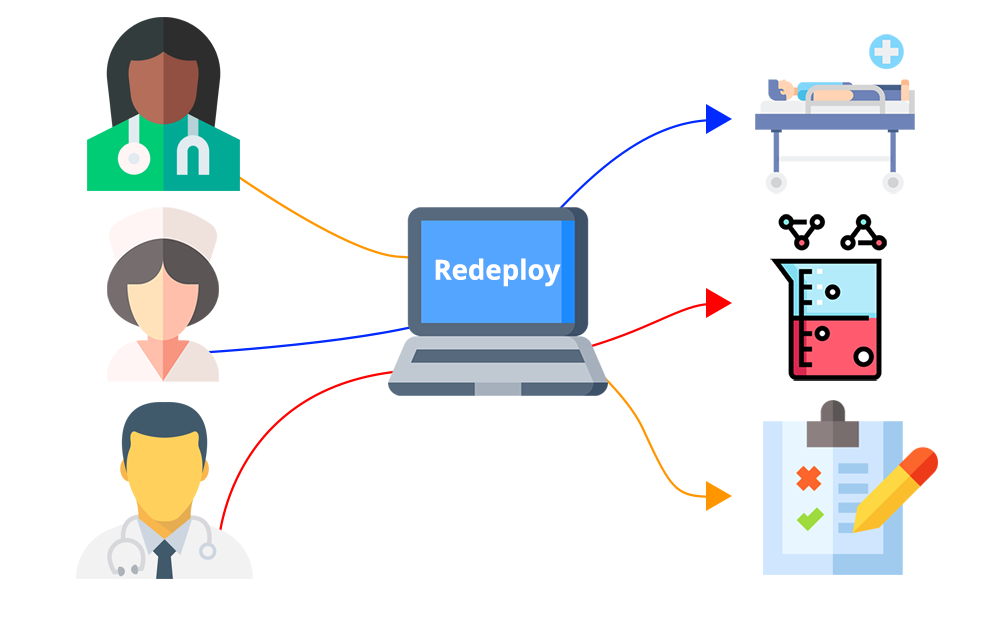
Redeploy
A software tool to optimize matching of available hospital staff to job requests during COVID-19
A suite of optimization models tailored for the 2017 and 2021 NHL Expansion drafts that allow users to modify objectives and constraints, and evaluate what-if scenarios.

High-performance analytics for sports
An initiative to grow research, student training, industry partnerships, and equity, diversity and inclusion (EDI) in sports analytics.

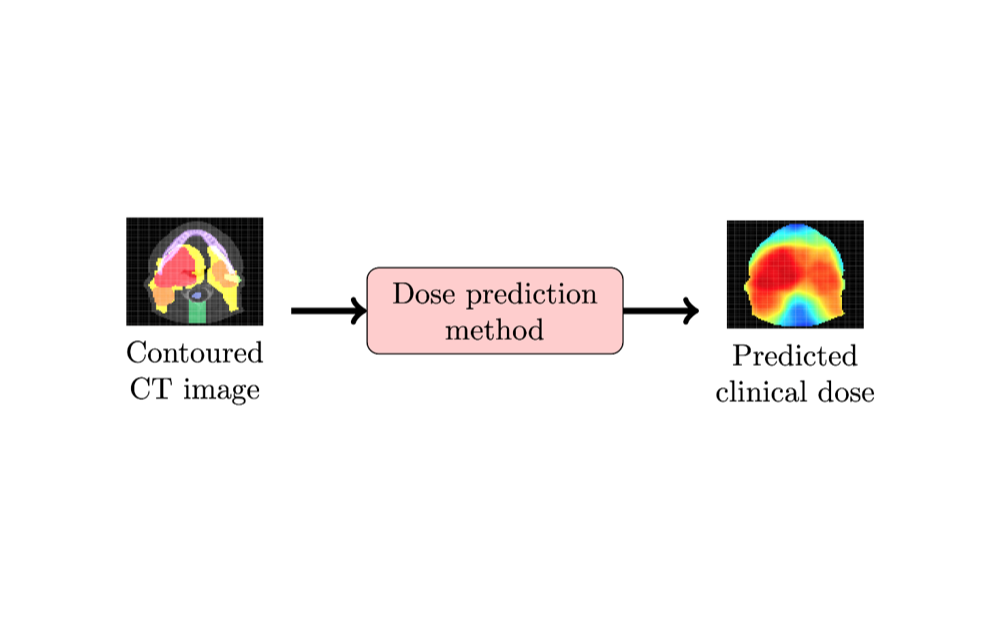
An international competition sponsored by the American Association of Physicists in Medicine to advance dose prediction methods for knowledge-based planning.
Support from the following sponsors is gratefully acknowledged











- Healthcare Operations
- Sports Analytics
- Education
I am interested in a variety of healthcare operations problems including scheduling and process flexibility.
RELEVANT PUBLICATIONS
| 28. | Improving the composition of donor milk using machine learning and optimisation techniques Journal Article J. Muts, D. Knevel, D. den Hortog, R. K. Wong, T. C. Y. Chan, B. J. van Keulen, J. B. van Goudoever, C. H. P. van den Akker In: PLOS One, vol. 21, pp. e0345653, 2026. @article{ChanTCY.J144, |
| 27. | Optimizing inter-hospital patient transfer decisions during a pandemic: A queueing network approach Journal Article Forthcoming T. C. Y. Chan, J. Park, F. Pogacar, V. Sarhangian, E. Hellsten, F. Razak, A. Verma In: Manufacturing & Service Operations Management, Forthcoming. @article{ChanTCY.J143,Problem definition: Geographical mismatch between demand for care and healthcare resources was a major challenge during the COVID-19 pandemic. Therefore, inter-hospital patient transfers emerged as a key aspect of the pandemic response in many countries. We propose and investigate inter-hospital patient transfer policies to alleviate hospital congestion and inequity in the distribution of COVID patients across the health system. Methodology/Results: We propose a queueing network model capturing salient features of patient flow between acute wards and ICUs, both within and between hospitals in the network. We formulate a stochastic control problem for determining optimal patient transfer policies and develop a solution method by leveraging a deterministic fluid approximation of the queueing network. Using unique data during the pandemic from 17 hospitals in Ontario, Canada, we estimate and validate our model, and conduct a comprehensive case study. Following our policy, the expected number of patient days above the 95% capacity can be reduced by up to 58.6% in wards and 35.7% in ICUs while improving COVID load inequity by up to 35.4%, compared to the no-transfer policy. Our approach also outperforms the historical transfer decisions that were made without guidance from our model. Lastly, and most notably, our data reveals that the lengths-of-stays of COVID patients were markedly longer and more variable across hospitals than non-COVID patients. Despite these differences, our proposed transfer policies are equally effective for reducing both imbalanced congestion and COVID load inequity when limiting transfers only to COVID patients. Managerial implications: Guiding patient transfers using our approach can be effective in addressing imbalanced congestion and inequity during pandemics or other episodes of surge (e.g., flu season). These benefits are achievable with relatively small numbers of daily transfers and by only transferring COVID patients. |
| 26. | Optimizing daily surgical scheduling improves operative time consumption: A retrospective study Journal Article A. Abbas, I. Saleh, P. Wong, J. Larouche, J. Abouali, S. Park, T. C. Y. Chan, V. Sarhangian, J. Toor In: Arthroplasty Today, vol. 39, pp. 101926, 2026. @article{ChanTCY.J141,Background: Arthroplasty cases represent some of the highest volume and resource intensive orthopaedic procedures. Most cost containment efforts have focused on restricting access to operating room (OR) time rather than improving efficiency through scheduling optimization. However, approaches such as bin-packing optimization (BPO) can be used to generate more efficient schedules. This study compares manual scheduling with BPO to evaluate their impact on OR efficiency. Our hypothesis is that BPO scheduling produces more efficient OR schedules compared to manual scheduling. Methods: Data was collected retrospectively for a mid-sized hospital performing elective orthopaedic surgery (majority hip and knee arthroplasty). Data included operative time, overtime, and number of OR days. BPO model was used to simulate an optimized scheduled and compared to the historic manual schedule by comparing the number of OR days required to complete the same surgical volume. The primary outcome was the total number of OR days required. Results: All surgeons experienced a median 10% reduction (range: 9.2%–18.3%) in OR days required using BPO schedules (mean 183 days) versus historical scheduling (mean 207 days). Daily OR configurations differed from historical ones in 87% of cases, and the number of configurations per surgeon dropped from an average of six to four. Discussion: BPO increased OR throughput by 10% without increasing operative time. This suggests potential for reduced costs, shorter wait lists, and improved surgeon satisfaction for hip and knee arthroplasty. Future work should incorporate predictive modeling using patient and procedure-specific data. |
| 25. | R. Stephenson, V. Sarhangian, S. Cheskes, L. Turner, B. Nolan, I. Drennan, T. C. Y. Chan, J. von Vopelius-Feldt In: American Journal of Emergency Medicine, vol. 97, pp. 35-44, 2025. @article{ChanTCY.J135,Objective Prehospital Critical Care Response Units (CCRUs) dispatched to the scene of major traumas can deliver advanced interventions at scene but are uncommon in North America. We sought to evaluate the feasibility of CCRU response to major trauma in a North American urban-suburban region. Methods We obtained ambulance record-level data from three paramedic services in Ontario, Canada (Toronto Paramedic Service, Peel Regional Paramedic Service, and Halton Region Paramedic Service) from January 2018 to December 2022 which we aggregated into calls and applied inclusion criteria targeting major trauma. We used mathematical modelling to determine the optimal placement of CCRU bases containing an RRV or RRV/helicopter for trauma response and evaluated their expected counterfactual coverage performance using simulation. Our primary metrics were the expected number of major traumas that could have been reached by CCRUs prior to EMS departure from the scene and the resulting expected average reduction in time to accessing critical care for those patients. Results We found the expected counterfactual coverage of two optimally placed RRV teams to be 80 % (N = 5092) of 6391 major trauma calls included. This corresponded to an expected average reduction in time to critical care of 30 min (from 47 to 17 min). We found only marginal improvement in total calls reached by CCRUs when an RRV team was replaced with an RRV/helicopter team. Conclusions Our analysis supports the feasibility of CCRU response to major trauma in a North American mixed urban-suburban region and motivates further investigation into CCRUs' clinical and cost effectiveness. |
| 24. | Optimizing placement of public-access naloxone kits using geospatial analytics: A modelling study Journal Article K. H. B. Leung, B. E. Grunau, M. K. Lee, J. A. Buxton, J. Helmer, S. van Diepen, J. Christenson, T. C. Y. Chan In: CMAJ, vol. 197, no. 10, pp. E258-E265, 2025. @article{ChanTCY.J132, |
| 23. | Dynamic control of service systems with returns: Application to design of postdischarge hospital readmission prevention programs Journal Article T. C. Y. Chan, S. Y. Huang, V. Sarhangian In: Operations Research, vol. 73, no. 4, pp. 2242-2263, 2025. @article{ChanTCY.J0130,We study a control problem for queueing systems where customers may return for additional episodes of service after their initial service completion. At each service completion epoch, the decision maker can choose to reduce the probability of return for the departing customer but at a cost that is convex increasing in the amount of reduction in the return probability. Other costs are incurred as customers wait in the queue and every time they return for service. Our primary motivation comes from post-discharge Quality Improvement (QI) interventions (e.g., follow up phone-calls, appointments) frequently used in a variety of healthcare settings to reduce unplanned hospital readmissions. Our objective is to understand how the cost of interventions should be balanced with the reductions in congestion and service costs. To this end, we consider a fluid approximation of the queueing system and characterize the structure of optimal long-run average and bias-optimal transient control policies for the fluid model. Our structural results motivate the design of intuitive surge protocols whereby different intensities of interventions (corresponding to different levels of reduction in the return probability) are provided based on the congestion in the system. Through extensive simulation experiments, we study the performance of the fluid policy for the stochastic system and identify parameter regimes where it leads to significant cost savings compared to a fixed long-run average optimal policy that ignores holding costs and a simple policy that uses the highest level of intervention whenever the queue is non-empty. In particular, we find that in a parameter regime relevant to our motivating application, dynamically adjusting the intensity of interventions could result in up to 25.4% reduction in long-run average cost and 33.7% in finite-horizon costs compared to the simple aggressive policy. |
| 22. | Got (optimal) milk? Pooling donations in human milk banks with machine learning and optimization Journal Article T. C. Y. Chan, R. Mahmood, D. L. O'Connor, D. Stone, S. Unger, R. K. Wong, I. Y. Zhu In: Manufacturing & Service Operations Management, vol. 26, no. 6, pp. 1721-1739, 2025. @article{ChanTCY.J0127,Problem definition: Human donor milk provides critical nutrition for millions of infants who are born preterm each year. Donor milk is collected, processed, and distributed by milk banks. The macronutrient content of donor milk is directly linked to infant brain development and can vary substantially across donations, which is why multiple donations are typically pooled together to create a final product. Approximately half of all milk banks in North America do not have the resources to measure the macronutrient content of donor milk, which means pooling is done heuristically. For these milk banks, an approach is needed to optimize pooling decisions. Methodology/results: We propose a data-driven framework combining machine learning and optimization to predict macronutrient content of donations and then optimally combine them in pools, respectively. In collaboration with our partner milk bank, we collect a data set of milk to train our predictive models. We rigorously simulate milk bank practices to fine-tune our optimization models and evaluate operational scenarios such as changes in donation habits during the COVID-19 pandemic. Finally, we conduct a year-long trial implementation, where we observe the current nurse-led pooling practices followed by our intervention. Pools created by our approach meet clinical macronutrient targets approximately 31% more often than the baseline, although taking 60% less recipe creation time. Managerial implications: This is the first paper in the broader blending literature that combines machine learning and optimization. We demonstrate that such pipelines are feasible to implement in a healthcare setting and can yield significant improvements over current practices. Our insights can guide practitioners in any application area seeking to implement machine learning and optimization-based decision support. |
| 21. | Exact sensitivity analysis of Markov reward processes via algebraic geometry Miscellaneous T. C. Y. Chan, M. Maaz 2024. @misc{ChanTCY.Pre021,We introduce a new approach for deterministic sensitivity analysis of Markov reward processes, commonly used in cost-effectiveness analyses, via reformulation into a polynomial system. Our approach leverages cylindrical algebraic decomposition (CAD), a technique arising from algebraic geometry that provides an exact description of all solutions to a polynomial system. While it is typically intractable to build a CAD for systems with more than a few variables, we show that a special class of polynomial systems, which includes the polynomials arising from Markov reward processes, can be analyzed much more tractably. We establish several theoretical results about such systems and develop a specialized algorithm to construct their CAD, which allows us to perform exact, multi-way sensitivity analysis for common health economic analyses. We develop an open-source software package that implements our algorithm. Finally, we apply it to two case studies, one with synthetic data and one that re-analyzes a previous cost-effectiveness analysis from the literature, demonstrating advantages of our approach over standard techniques. Our software and code are available at: https://github.com/mmaaz-git/markovag |
| 20. | Evaluation of a nurse practitioner-led post-discharge transitional care program for patients with liver disease: A retrospective cohort study Journal Article M. Naghshbandi, S. Y. Huang, H. Shah, C. Yim, E. Lee, M. Caesar, A. Hope, T. C. Y. Chan, V. Sarhangian In: Canadian Liver Journal, vol. 7, no. 4, pp. 427-438, 2024. @article{ChanTCY.J0123,Background: We evaluated an outpatient, Nurse Practitioner (NP)-led transitional care program with respect to its efficacy in reducing unplanned readmission rates for liver disease patients. Methods: We conducted a retrospective cohort study using data from an academic health system in Toronto, Ontario. The study included 803 admissions associated with an ICD10 code of R18 (ascites), I85.0 or I98.3 (variceal bleeding), or K70 K77 range (diseases of liver including hepatic encephalopathy). Patients were selected to receive the transitional care (intervention group) or not (no-intervention group) by discretion of the hepatologists. We used the competing risk proportional hazard model to estimate the associations between receiving the intervention, and marginal probability of 30-, 60-, and 90-day readmission in presence of death as a competing risk. We conducted sensitivity analyses to examine the robustness of our estimates to various sources of bias, including adjusting for propensity of receiving the intervention estimated using a logistic regression model. Results: The intervention was associated with 49% reduction in risk of 30-day readmission (HR: 0.51, 95% CI, 0.30-0.85), 40% reduction in risk of 60-day readmission (HR:0.60, 95% CI, 0.40- 0.91), and 45% reduction in risk of 90-day readmission (HR:0.55, 95% CI, 0.37-0.83). The negative associations remained statistically significant under the sensitivity analyses, except for the propensity adjusted estimate for the 60-day outcome. Conclusions: A NP-led transitional-care program could be effective in reducing the risk of readmission for liver disease patients. Future studies are needed to standardize the referral process and prospectively measure the effectiveness and financial value of the program. |
| 19. | Centre-specific variation in atrial fibrillation ablation rates in a universal single-payer health care system Journal Article C. Seo, S. Kushwaha, P. Angaran, P. Gozdyra, K. S. Allan, H. Abdel-Qadir, P. Dorian, T. C. Y. Chan In: CJC Open, vol. 6, no. 11, pp. 1355-1362, 2024. @article{ChanTCY.J0122,Background Disparities in atrial fibrillation ablation rates have been previously studied, with focuses on patient characteristics and systems factors rather than geographic factors. The impact of electrophysiology centre practice patterns on ablation rates have not been well studied. Methods This was a population-based cohort study using linked administrative datasets covering physician billing codes, hospitalizations, prescriptions, and census data. The study population consisted of patients visiting an emergency department with a new diagnosis of atrial fibrillation between 2007-2016, in Ontario, Canada. Patient characteristics, including age, sex, medical history, comorbidities, socioeconomic factors, closest electrophysiology centre within 20 km, and distance to nearest centre were used as predictors in multivariable logistic regression models to assess the relationship between living around specific electrophysiology centres and ablation rates. Results The cohort included 134,820 patients of whom 9,267 had an ablation during the study period. Patients undergoing ablation were younger, had a lower CHADS2 score, lived closer to electrophysiology centres, and had fewer comorbidities than people who did not receive ablation. There was wide variation in ablation rates, with adjacent census divisions having up to 2.6 times higher ablation rate. Multivariate regression revealed significant differences in ablation rates for patients living around certain electrophysiology centres. The odds ratios for living closest to specific centres ranged from 0.78 (95% CI: 0.68-0.89) to 1.60 (95% CI:1.34-1.90). Conclusions Living near specific electrophysiology centres may significantly affect a patient’s likelihood of ablation, regardless of factors such as age, gender, socioeconomic status, prior medical history, and distance to electrophysiology centres. |
| 18. | Synergizing radiation oncology and operations research Book Chapter S. Kim, T. C. Y. Chan In: Fox, C. J.; Munbodh, R. (Ed.): Workflow Optimization in Radiation Oncology: From Theory to Clinical Implementation, Medical Physics Monograph 41, Chapter 7, Medical Physics Publishing, Madison, 2024, ISBN: 978-1-951134-31-0. @inbook{ChanTCY.Oth012, |
| 17. | Disparities in surgery rates during the COVID-19 pandemic: Retrospective study Journal Article A. Sankar, T. A. Stukel, N. N. Baxter, D. N. Wijeysundera, S. W. Hwang, A. S. Wilton, T. C. Y. Chan, V. Sarhangian, A. N. Simpson, C. de Mestral, D. Pincus, R. J. Campbell, D. R. Urbach, J. Irish, D. Gomez In: BJS Open, vol. 8, no. 4, pp. zrae088, 2024. @article{ChanTCY.J0121, |
| 16. | Dynamic transfer policies for parallel queues Miscellaneous T. C. Y. Chan, J. Park, V. Sarhangian 2024. @misc{ChanTCY.Pre020,We consider the problem of load balancing in parallel queues by transferring customers between them at discrete points in time. Holding costs accrue as customers wait in the queue, while transfer decisions incur both fixed (setup) and variable costs proportional to the number and direction of transfers. Our work is primarily motivated by inter-facility patient transfers between hospitals during a surge in demand for hospitalization (e.g., during a pandemic). By analyzing an associated fluid control problem, we show that under fairly general assumptions including time-varying arrivals and convex increasing holding costs, the optimal policy in each period partitions the state-space into a well-defined no-transfer region and its complement, such that transferring is optimal if and only if the system is sufficiently imbalanced. In the absence of fixed transfer costs, an optimal policy moves the state to the no-transfer region's boundary; in contrast, with fixed costs, the state is moved to the no-transfer region's relative interior. We further leverage the fluid control problem to provide insights on the trade-off between holding and transfer costs, emphasizing the importance of preventing excessive idleness when transfers are not feasible in continuous-time. Using simulation experiments, we investigate the performance and robustness of the fluid policy for the stochastic system. In particular, our case study calibrated using data during the pandemic in the Greater Toronto Area demonstrates that transferring patients between hospitals could result in up to 27.7% reduction in total cost with relatively few transfers. |
| 15. | Evolution of the surgical procedure gap during and after the COVID-19 pandemic in Ontario, Canada: Cross-sectional and modeling study Journal Article R. Stephenson, V. Sarhangian, J. Park, A. Sankar, N. N. Baxter, T. A. Stukel, A. N. Simpson, D. N. Wijeysundera, A. S. Wilton, C. de Mestral, S. W. Hwang, D. Pincus, R. J. Campbell, D. R. Urbach, J. Irish, D. Gomez, T. C. Y. Chan In: British Journal of Surgery, vol. 110, no. 12, pp. 1887-1889, 2023. @article{ChanTCY.J0109,During the COVID-19 pandemic, many countries faced significant reductions in surgical capacity, leading to unprecedented surgical backlogs, or procedure gaps. This study developed a framework to estimate procedure gaps and project their future evolution. The framework was applied to data from Ontario, Canada to provide policy insights for a fair and effective surgical recovery. This study updates previous work that estimated the impacts of COVID on surgery rates and future surgical recovery by providing a more recent estimate, and adding modeling of major ongoing COVID impacts. In reality, COVID and its downstream effects have continued to impact healthcare systems into 2023, and can be reasonably expected to continue into the future. Population-based weekly surgery count data was obtained for all scheduled adult surgical procedures in Ontario between January 1, 2017 and June 25, 2022, grouped by inpatient/outpatient and body system. Negative Binomial regression was used to estimate the expected size of the procedure gaps as of June 25, 2022, and Monte Carlo simulation was used to estimate their evolution over 10 years under future COVID and surgical capacity-increase scenarios (Figure S1). As of June 25, 2022, the total outpatient and inpatient procedure gaps were estimated to be 214 925 (95% CI 207 281-222 569) and 99 232 (95% CI 96 856-101 609), respectively (Table 1). Assuming no future impacts of COVID and 10% or 20% increases in surgical capacity, all procedure gaps were estimated to clear within 10 years. However, under scenarios in which COVID impacts persist, with a 0% or 10% increase in surgical capacity, no procedure gaps were expected to clear within 10 years. With a 20% increase, only three procedure gaps were expected to clear; several other gaps were expected to grow. Our results highlight the heterogeneous impact of the pandemic on different procedure groups. These differences are apparent in the growth of procedure gaps over the pandemic (Figure S4), and in their forecast evolution. For example, the two largest outpatient procedure gaps (Eye and Musculoskeletal), which have been the subject of pre-pandemic prioritization through added capacity and volume-based funding models, make up almost half of the total outpatient procedure gap. However, even if COVID impacts persist, their forecasted gaps are expected to drop significantly with a 10% increase in surgical capacity (Table 1). In contrast, the estimated inpatient Gynecology gap is currently much smaller, but even with a 20% increase in capacity, the gap is expected to more than double by 2032 (Table 1). On February 2, 2023, the Ontario government released a plan to significantly increase cataract surgeries and hip and knee replacements through the use of for-profit centres, but without a clear plan to increase overall surgical capacity in hospitals. Our results suggest that other procedure groups (e.g., Gynecology and Otolaryngology) require targeted increases in surgical capacity, especially if those groups are predominantly funded through global hospital budgets. To avoid unfair patient experiences like extensive wait times, targeted investments considering both the current procedure gaps and their future evolution are necessary for surgical recovery plans that strike a balance between efficiency and equity of clearing the procedure gaps. This study has two key takeaways. First, small increases in overall surgical capacity will have little impact on clearing the surgical procedure gap in the near term. Second, capacity increases should be targeted by considering not only current procedure gaps, but also their forecasted evolution. Indeed, procedure groups with the largest gaps currently may not be the ones most in need of increased capacity investments. The developed framework can be applied to other jurisdictions to provide insights for design of robust surgical recovery plans. |
| 14. | Constrained optimization for decision making in healthcare using Python: A tutorial Journal Article K. H. B. Leung, N. Yousefi, T. C. Y. Chan, A. M. Bayoumi In: Medical Decision Making, vol. 43, no. 7-8, pp. 760-773, 2023. @article{ChanTCY.J0108,Constrained optimization can be used to make decisions aimed at maximizing some quantity in the face of fixed limits, such as resource allocation problems in health where tradeoffs between alternatives are inherent, and has been applied in a variety of health-related applications. This tutorial guides the reader through the process of mathematially formulating a constrained optimization problem, providing intuitive explanations for each component within the problem. We discuss how constrained optimization problems can be implemented using software and provide instructions on how to set up a solution environment using Python and the Gurobi solver engine. We present 2 examples from the existing literature that illustrate different constrained optimization problems in health and provide the reader with Python code used to solve these problems as well as a discussion of results and sensitivity analyses. This tutorial can be used to help readers formulate constrained optimization problems in their own application domains. |
| 13. | Priorities for artificial intelligence in primary care: A Canadian deliberative dialogue with patients, providers, and health system leaders Journal Article T. L. Upshaw, A. Craig-Neil, J. Macklin, C. Steele Gray, T. C. Y. Chan, J. Gibson, A. D. Pinto In: Journal of the American Board of Family Medicine, vol. 36, no. 2, pp. 210-220, 2023. @article{ChanTCY.J104,BACKGROUND: Artificial intelligence (AI) implementation in primary care is limited. Those set to be most impacted by AI technology in this setting should guide the application. We organized a national deliberative dialogue with primary care stakeholders from across Canada to explore how they thought AI should be applied in primary care. METHODS: We conducted 12 virtual deliberative dialogues with 22 patients, 21 interprofessional primary care providers, and 5 health system leaders from eight Canadian provinces to identify shared priorities for applying AI in primary care. Dialogue data were thematically analyzed using interpretive description approaches. RESULTS: Participants thought that AI should be first applied in primary care to documentation, practice operations, and triage tasks, in hopes of improving efficiency while maintaining person-centred delivery, relationships, and access. They viewed complex AI-driven clinical decision support and proactive care tools as impactful but recognized potential risks to patient safety, given numerous external limitations. Appropriate training and implementation support were the most important external enablers of safe, effective, and patient-centred use of AI in primary care settings. INTERPRETATION: Our findings offer an agenda for the future application of AI in primary care that is grounded in the shared values of patients and providers. We propose that, from conception, AI developers should work with primary care stakeholders as co-design partners, developing tools that respond to their shared priorities. |
| 12. | Strategies for lung- and diaphragm-protective ventilation in acute hypoxemic respiratory failure: A physiological trial Journal Article J. Dianti, S. Fard, J. Wong, T. C. Y. Chan, L. Del Sorbo, E. Fan, M. B. Passos Amato, J. Granton, L. Burry, W. D. Reid, B. Zhang, D. Ratano, S. Keshavjee, A. S. Slutsky, L. J. Brochard, N. D. Ferguson, E. C. Goligher In: Critical Care, vol. 26, no. Article No. 259, 2022. @article{ChanTCY.J100,Background: Insufficient or excessive respiratory effort during acute hypoxemic respiratory failure (AHRF) increases the risk of lung and diaphragm injury. We sought to establish whether respiratory effort can be optimized to achieve lung- and diaphragm-protective (LDP) targets (esophageal pressure swing − 3 to − 8 cm H2O; dynamic transpulmonary driving pressure ≤ 15 cm H2O) during AHRF. Methods: In patients with early AHRF, spontaneous breathing was initiated as soon as passive ventilation was not deemed mandatory. Inspiratory pressure, sedation, positive end-expiratory pressure (PEEP), and sweep gas flow (in patients receiving veno-venous extracorporeal membrane oxygenation (VV-ECMO)) were systematically titrated to achieve LDP targets. Additionally, partial neuromuscular blockade (pNMBA) was administered in patients with refrac- tory excessive respiratory effort. Results: Of 30 patients enrolled, most had severe AHRF; 16 required VV-ECMO. Respiratory effort was absent in all at enrolment. After initiating spontaneous breathing, most exhibited high respiratory effort and only 6/30 met LDP targets. After titrating ventilation, sedation, and sweep gas flow, LDP targets were achieved in 20/30. LDP targets were more likely to be achieved in patients on VV-ECMO (median OR 10, 95% CrI 2, 81) and at the PEEP level associated with improved dynamic compliance (median OR 33, 95% CrI 5, 898). Administration of pNMBA to patients with refractory excessive effort was well-tolerated and effectively achieved LDP targets. Conclusion: Respiratory effort is frequently absent under deep sedation but becomes excessive when spontaneous breathing is permitted in patients with moderate or severe AHRF. Systematically titrating ventilation and sedation can optimize respiratory effort for lung and diaphragm protection in most patients. VV-ECMO can greatly facilitate the delivery of a LDP strategy. |
| 11. | Inverse optimization on hierarchical networks: An application to breast cancer clinical pathways Journal Article T. C. Y. Chan, K. Forster, S. Habbous, C. Holloway, L. Ieraci, Y. Shalaby, N. Yousefi In: Health Care Management Science, vol. 25, pp. 590-622, 2022. @article{ChanTCY.J099,Clinical pathways are standardized processes that outline the steps required for managing a specific disease. However, patient pathways often deviate from clinical pathways. Measuring the concordance of patient pathways to clinical pathways is important for health system monitoring and informing quality improvement initiatives. In this paper, we develop an inverse optimization-based approach to measuring pathway concordance in breast cancer, a complex disease. We capture this complexity in a hierarchical network that models the patient’s journey through the health system. A novel inverse shortest path model is formulated and solved on this hierarchical network to estimate arc costs, which are used to form a concordance metric to measure the distance between patient pathways and shortest paths (i.e., clinical pathways). Using real breast cancer patient data from Ontario, Canada, we demonstrate that our concordance metric has a statistically significant association with survival for all breast cancer patient subgroups. We also use it to quantify the extent of patient pathway discordances across all subgroups, finding that patients undertaking additional clinical activities constitute the primary driver of discordance in the population. |
| 10. | An anesthesia block room is financially net positive for a hospital performing arthroplasty Journal Article J. Toor, I. Saleh, A. Abbas, J. Abouali, P. Wong, T. C. Y. Chan, V. Sarhangian In: Journal of the American Academy of Orthopaedic Surgeons, vol. 30, no. 15, pp. e1058-e1065, 2022. @article{ChanTCY.J098,Introduction: Regional anesthesia is increasingly used in total joint arthroplasty (TJA). It has shown efficiency benefits as it allows parallel processing of patients in a dedicated block room (BR). However, granular quantification of these benefits to hospital operations is lacking. The goal of this study was to determine the financial effect of establishing a BR using comprehensive operational modeling. Methods: A discrete-event simulation model of daily operating room (OR) patient flow for TJA procedures at a mid-sized hospital was developed. Two scenarios were tested: (1) without and (2) with a BR. Scenarios were compared according to staffing requirements, hours/day, and labor costs. The number of ORs and cases varied from 2 to 6 ORs performing 3 to 5 cases. These results were used as the inputs of a discounted cash flow (CF) model. Discounted CF model outputs were CF, net present value, internal rate of return, and return on investment. Results: Mean time savings of incorporating a BR were 68 min/d (range: 30 to 80 min/d), reducing the OR closing time by 1 hour. Incremental labor costs/day from nurse overtime pay ranged from $2,025 to $10,125 with no BR and $1,595 to $9,045 with a BR, which resulted in an increase in profit/day from $360 to $1,605. The CF/annum was $54,363, the net present value was $213,082, the internal rate of return was 12%, and the return on investment was 43.61%. Discussion: This study demonstrates that under all scenarios, a BR is more profitable than no BR to a hospital performing TJA via a bundled care or private payer remuneration model. A BR was shown to be financially net positive even when considering the necessary financial investment to establish it. In addition, this study demonstrates the potential of combining discrete-event simulation with financial analyses to assess various operational models of care to improve hospital efficiency, such as dedicated trauma rooms and swing rooms. Level of evidence: Level III |
| 9. | Drone network design for cardiac arrest response Journal Article J. J. Boutilier, T. C. Y. Chan In: Manufacturing and Service Operations Management, vol. 24, no. 5, pp. 2407-2424, 2022. @article{ChanTCY.J096,Problem definition: Our objective is to design a defibrillator-enabled drone network that augments the existing emergency medical services (EMS) system to rapidly respond to out-of-hospital cardiac arrest (OHCA). Academic/practical relevance: OHCA claims more than 400,000 lives each year in North America and is one of the most time-sensitive medical emergencies. Drone-delivered automated external defibrillators (AEDs) have the potential to be a transformative innovation in the provision of emergency care for OHCA. Methodology: We develop an integrated location-queuing model that incorporates existing EMS response times and is based on the p-median architecture, where each base constitutes an explicit M/M/d/d queue (i.e., Erlang loss). We then develop a reformulation technique that exploits the existing EMS response times, allowing us to solve real-world instances to optimality using an off-the-shelf solver. We evaluate our solutions using a tactical simulation model that accounts for the effects of congestion and dispatching, and we use a machine-learning model to translate our response-time reductions into survival estimates. Results:Using real data from an area covering 26,000 square kilometers around Tor-onto, Canada, we find that a modest number of drones are required to significantly reduce response times in all regions. An objective function that minimizes average response time results in drone resources concentrated in cities, with little impact on the tail of the distribution. In contrast, optimizing for the tail of the response-time distribution produces larger and more geographically dispersed drone networks that improve response-time equity across the regions. We estimate that the response-time reductions achieved by the drone network are associated with between a 42% and 76% higher survival rate and up to 144 additional lives saved each year across the geographical region we consider. Managerial implications: Overall, this paper provides a realistic framework that can be leveraged by system designers and/or EMS personnel seeking to investigate design questions associated with a drone network. An objective function focused on improving the tail of the response-time distribution is well-suited for use in practice because the model provides equitable solutions that reduce the entire response-time distribution and corresponds to the real-world metrics, on which EMS systems are most commonly evaluated. |
| 8. | Outcomes in patients with and without disability admitted to hospital with COVID-19: A retrospective cohort study Journal Article H. K. Brown, S. Saha, T. C. Y. Chan, A. M. Cheung, M. Fralick, M. Ghassemi, M. Herridge, J. Kwan, S. Rawal, L. Rosella, T. Tang, A. Weinerman, Y. Lunsky, F. Razak, A. A. Verma In: Canadian Medical Association Journal, vol. 194, pp. E112-121, 2022. @article{ChanTCY.J092,Background: Disability-related considerations have largely been absent from the COVID-19 response, despite evidence that people with disabilities are at elevated risk for acquiring COVID-19. We evaluated clinical outcomes in patients who were admittedto hospital with COVID-19 with a disability compared with patients without a disability. Methods: We conducted a retrospective cohort study that included adults with COVID-19 who were admitted to hospital and discharged between Jan. 1, 2020, and Nov. 30, 2020, at 7 hospitals in Ontario, Canada. We compared in-hospital death, admission to the intensive care unit (ICU), hospital length of stay and unplanned 30-day readmission among patients with and without a physical disability, hearing or vision impairment, traumatic brain injury, or intellectual or developmental disability, overall and stratified by age (≤ 64 and ≥ 65 yr) using multivariable regression, controlling for sex, residence in a long-term care facility and comorbidity. Results: Among 1279 admissions to hospital for COVID-19, 22.3% had a disability. We found that patients with a disability were more likely to die than those without a disability (28.1% v. 17.6%), had longer hospital stays (median 13.9 v. 7.8 d) and more readmissions (17.6% v. 7.9%), but had lower ICU admission rates (22.5% v. 28.3%). After adjustment, there were no statistically significant differences between those with and without disabilities for in-hospital death or admission to ICU. After adjustment, patients with a disability had longer hospital stays (rate ratio 1.36, 95% confidence interval [CI] 1.19–1.56) and greater risk of readmission (relative risk 1.77, 95% CI 1.14–2.75). In age-stratified analyses, we observed longer hospital stays among patients with a disability than in those without, in both younger and older subgroups; readmission risk was driven by younger patients with a disability. Interpretation: Patients with a disability who were admitted to hospital with COVID-19 had longer stays and elevated readmission risk than those without disabilities. Disability-related needs should be addressed to support these patients in hospital and after discharge. |
| 7. | Sparse flexible design: A machine learning approach Journal Article T. C. Y. Chan, D. Letourneau, B. Potter In: Flexible Services and Manufacturing Journal, vol. 34, pp. 1066-1116, 2022. @article{ChanTCY.J091,For a general production network, state-of-the-art methods for constructing sparse flexible designs are heuristic in nature, typically computing a proxy for the quality of unseen networks and using that estimate in a greedy manner to modify a current design. This paper develops two machine learning-based approaches to constructing sparse flexible designs that leverage a neural network to accurately and quickly predict the performance of large numbers of candidate designs. We demonstrate that our heuristics are competitive with existing approaches and produce high-quality solutions for both balanced and unbalanced networks. Finally, we introduce a novel application of process flexibility in healthcare operations to demonstrate the effectiveness of our approach in a large numerical case study. We study the flexibility of linear accelerators that deliver radiation to treat various types of cancer. We demonstrate how clinical constraints can be easily absorbed into the machine learning subroutine and how our sparse flexible treatment networks meet or beat the performance of those designed by state-of-the-art methods. |
| 6. | An inverse optimization approach to measuring clinical pathway concordance Journal Article T. C. Y. Chan, M. Eberg, K. Forster, C. Holloway, L. Ieraci, Y. Shalaby, N. Yousefi In: Management Science, vol. 68, pp. 1882-1903, 2022. @article{ChanTCY.J088,Clinical pathways outline standardized processes in the delivery of care for a specific disease. Patient journeys through the healthcare system, however, can deviate substantially from these pathways. Given the positive benefits of clinical pathways, it is important to measure the concordance of patient pathways so that variations in health system performance or bottlenecks in the delivery of care can be detected, monitored, and acted upon. This paper proposes the first data-driven inverse optimization approach to measuring pathway concordance in any problem context. Our specific application considers clinical pathway concordance for stage III colon cancer. We develop a novel concordance metric and demonstrate using real patient data from Ontario, Canada that it has a statistically significant association with survival. Our methodological approach considers a patient’s journey as a walk in a directed graph, where the costs on the arcs are derived by solving an inverse shortest path problem. The inverse optimization model uses two sources of information to find the arc costs: reference pathways developed by a provincial cancer agency (primary) and data from real-world patient-related activity from patients with both positive and negative clinical outcomes (secondary). Thus, our inverse optimization framework extends existing models by including data points of both varying “primacy” and “alignment.” Data primacy is addressed through a two-stage approach to imputing the cost vector, whereas data alignment is addressed by a hybrid objective function that aims to minimize and maximize suboptimality error for different subsets of input data. |
| 5. | Characteristics and outcomes of hospital admissions for COVID-19 and influenza in the Toronto area Journal Article A. A. Verma, T. Hora, H. Y. Jung, M. Fralick, S. L. Malecki, L. Lapointe-Shaw, A. Weinerman, T. Tang, J. L. Kwan, J. J. Liu, S. Rawal, T. C. Y. Chan, A. M. Cheung, L. C. Rosella, M. Ghassemi, M. Herridge, M. Mamdani, F. Razak In: Canadian Medical Association Journal, vol. 193, no. 22, pp. E410-E418, 2021. @article{ChanTCY.J081,BACKGROUND: Patient characteristics, clinical care, resource use and out- comes associated with admission to hospital for coronavirus disease 2019 (COVID-19) in Canada are not well described. METHODS: We described all adults with COVID-19 or influenza discharged from inpatient medical services and medical–surgical intensive care units (ICUs) between Nov. 1, 2019, and June 30, 2020, at 7 hospitals in Toronto and Mississauga, Ontario. We compared patient outcomes using multivariable regression models, controlling for patient sociodemographic factors and comorbidity level. We validated the accuracy of 7 externally developed risk scores to predict mortality among patients with COVID-19. RESULTS: There were 1027 hospital admissions with COVID-19 (median age 65 yr, 59.1% male) and 783 with influenza (median age 68 yr, 50.8% male). Patients younger than 50 years accounted for 21.2% of all admissions for COVID-19 and 24.0% of ICU admissions. Compared with influenza, patients with COVID-19 had significantly greater in-hospital mortality (unadjusted 19.9% v. 6.1%, adjusted relative risk [RR] 3.46, 95% confidence interval [CI] 2.56–4.68), ICU use (unadjusted 26.4% v. 18.0%, adjusted RR 1.50, 95% CI 1.25–1.80) and hospital length of stay (unadjusted median 8.7 d v. 4.8 d, adjusted rate ratio 1.45, 95% CI 1.25– 1.69). Thirty-day readmission was not significantly different (unadjusted 9.3% v. 9.6%, adjusted RR 0.98, 95% CI 0.70– 1.39). Three points-based risk scores for predicting in-hospital mortality showed good discrimination (area under the receiver operating characteristic curve [AUC] ranging from 0.72 to 0.81) and calibration. INTERPRETATION: During the first wave of the pandemic, admission to hospital for COVID-19 was associated with significantly greater mortality, ICU use and hospital length of stay than influenza. Simple risk scores can predict in- hospital mortality in patients with COVID-19 with good accuracy. |
| 4. | F. Razak, S. Shin, F. Pogacar, H. Y. Jung, L. Pus, A. Moser, L. Lapointe-Shaw, T. Tang, J. L. Kwan, A. Weinerman, S. Rawal, V. Kushnir, D. Mak, D. Martin, K. G. Shojania, S. Bhatia, P. Agarwal, G. Mukerji, M. Fralick, M. K. Kapral, M. Morgan, B. Wong, T. C. Y. Chan, A. A. Verma In: CMAJ Open, vol. 8, pp. E514-E521, 2020. @article{ChanTCY.J071,Background: The coronavirus disease 2019 (COVID-19) outbreak increases the importance of strategies to enhance urgent medical care delivery in long-term care (LTC) facilities that could potentially reduce transfers to emergency departments. The study objective was to model resource requirements to deliver virtual urgent medical care in LTC facilities. Methods: We used data from all general medicine inpatient admissions at 7 hospitals in the Greater Toronto Area, Ontario, Canada, over a 7.5-year period (Apr. 1, 2010, to Oct. 31, 2017) to estimate historical patterns of hospital resource use by LTC residents. We estimated an upper bound of potentially avoidable transfers by combining data on short admissions (≤ 72 h) with historical data on the proportion of transfers from LTC facilities for which patients were discharged from the emergency department without admission. Regression models were used to extrapolate future resource requirements, and queuing models were used to estimate physician staffing requirements to perform virtual assessments. Results: There were 235 375 admissions to general medicine wards, and residents of LTC facilities (age 16 yr or older) accounted for 9.3% (n = 21 948) of these admissions. Among the admissions of residents of LTC facilities, short admissions constituted 24.1% (n = 5297), and for 99.8% (n = 5284) of these admissions, the patient received laboratory testing, for 86.9% (n = 4604) the patient received plain radiography, for 41.5% (n = 2197) the patient received computed tomography and for 81.2% (n = 4300) the patient received intravenous medications. If all patients who have short admissions and are transferred from the emergency department were diverted to outpatient care, the average weekly demand for outpatient imaging per hospital would be 2.6 ultrasounds, 11.9 computed tomographic scans and 23.9 radiographs per week. The average daily volume of urgent medical virtual assessments would range from 2.0 to 5.8 per hospital. A single centralized virtual assessment centre staffed by 2 or 3 physicians would provide services similar in efficiency (measured by waiting time for physician assessment) to 7 separate centres staffed by 1 physician each. Interpretation: The provision of acute medical care to LTC residents at their facility would probably require rapid access to outpatient diagnostic imaging, within-facility access to laboratory services and intravenous medication and virtual consultations with physicians. The results of this study can inform efforts to deliver urgent medical care in LTC facilities in light of a potential surge in COVID-19 cases. |
| 3. | Negative spillover on service level across priority classes: Evidence from a radiology workflow platform Unpublished T. C. Y. Chan, N. Howard, S. Lagzi, B. F. Quiroga, G. Romero under review for Journal of Operations Management, 2020. @unpublished{ChanTCY.Pre007,Problem Definition: We study a radiology workflow platform that connects off-site radiologists with hospitals. These radiologists select tasks from a common pool, and the service level is characterized by meeting priority-specific turnaround time targets. However, imbalances between pay and workload of different tasks could result in higher priority tasks with low pay relative to workload receiving poorer service than low priority tasks. Using a large dataset, we empirically investigate this phenomenon. Academic/Practical Relevance: Piece-rate compensation schemes, where workers are paid for each completed task regardless of the time spent on it, are common in practice. Detecting a potential negative impact on firm performance associated with their use adds to the literature on challenges of piece-rate compensation schemes. Methodology: We employ an instrumental variable methodology to investigate whether low priority tasks with a high pay-to-workload ratio have a shorter turnaround time. Then, using the same approach, we investigate whether having many low priority tasks with high pay-to-workload increases the turnaround time and probability of delay of higher priority tasks. Results: We show that turnaround time is decreasing in pay-to-workload for lower priority tasks, whereas it is increasing in workload for high priority tasks. More importantly, we find evidence of a spillover effect: Having many economically attractive tasks with low priority can lead to longer turnaround times for higher priority tasks, increasing the likelihood that those tasks are delayed. Implications: Our results suggest that organizations where workers have task discretion from a common pool need to carefully align their piece-rate compensation scheme with the workload of each task. Imbalances may lead to a degradation in the system service level provided to time-sensitive customers. |
| 2. | Ambulance Emergency Response Optimization in developing countries Journal Article J. J. Boutilier, T. C. Y. Chan In: Operations Research, vol. 68, pp. 1315-1334, 2020. @article{ChanTCY.J060,The lack of emergency medical transportation is viewed as the main barrier to the access and availability of emergency medical care in low- and middle-income countries (LMICs). In this paper, we present a robust optimization approach to optimize both the location and routing of emergency response vehicles, accounting for uncertainty in travel times and spatial demand characteristic of LMICs. We traveled to Dhaka, Bangladesh, the sixth largest and third most densely populated city in the world, to conduct field research resulting in the collection of two unique data sets that inform our approach. These data are leveraged to estimate demand for emergency medical services in an LMIC setting and to predict the travel time between any two locations in the road network for different times of day and days of the week. We combine our prediction-optimization framework with a simulation model and real data to provide an in-depth investigation into three policy- related questions. First, we demonstrate that outpost locations optimized for weekday rush hour lead to good performance for all times of day and days of the week. Second, we find that the performance of the current system could be replicated using one third of the current outpost locations and one half of the current number of ambulances. Finally, we show that a fleet of small ambulances has the potential to significantly outperform tra- ditional ambulance vans. In particular, they are able to capture approximately three times more demand while reducing the median average response time by roughly 10%–18% over the entire week and 24%–35% during rush hour because of increased routing flexibility offered by more nimble vehicles on a larger road network. Our results provide practical insights for emergency response optimization that can be leveraged by hospital-based and private ambulance providers in Dhaka and other urban centers in developing countries. |
| 1. | Women's College Hospital uses Operations Research to create an ambulatory clinic schedule Journal Article B. K. Eagen, T. C. Y. Chan, M. W. Carter In: Service Science, vol. 10, pp. 230-240, 2018. @article{ChanTCY.J042,Women's College Hospital (WCH) in Toronto, Canada, offers roughly 300 outpatient clinics every week. In April 2011, we started working with WCH to design a new schedule for their clinics, to accommodate a move to a new hospital building that was completed in May 2013. We developed an integer programming model to optimize the assignment of clinics to timeslots and locations, based on the desire to minimize changes from the historical schedule. In cooperation with senior leadership, we tested multiple scenarios that explored changes to space utilization policies at WCH and ultimately generated a new clinic schedule, which they implemented in May 2013. In this paper, we highlight the value our work has created for WCH and present the lessons we learned in development of the model and through our collaboration with the WCH team. |
I am a passionate sports fan and enjoy analyzing interesting (decision) problems in sports. I have worked on topics in hockey, baseball, tennis, golf, football, and curling. Click here for a video of a talk I gave on sports analytics. Here is my TEDxUofT talk on baseball flexibility. A team of students and I developed an interactive NHL Expansion Draft optimization tool, which allows users to optimize protection and selection decisions in real time.
RELEVANT PUBLICATIONS
| 22. | A comparison of lower extremity squat, lunge, and hip hinge kinematics between marker based and markerless motion capture systems Journal Article Forthcoming K. Liu, S. Hirsch, P. Singh, T. C. Y. Chan, T. A. Burkhart, M. G. Hutchison In: Proceedings of the Institution of Mechanical Engineers, Part P: Journal of Sports Engineering and Technology, Forthcoming. @article{ChanTCY.J139,The resource-intensive nature of traditional marker-based motion capture systems limits opportunities for quantitative motion analysis. However, the advancement of markerless motion capture technology yields tremendous promise for accessible kinematic analyses beyond conventional research settings. This work compared the lower limb kinematics measured by a neural network-driven markerless motion capture system to those from a standard marker-based motion capture system during squat, hip hinge, and reverse lunge tasks. Fourteen adults performed three repetitions of each movement while being recorded simultaneously by two iPads and 17 infrared optical motion capture cameras. The mean peak cross-correlation values indicated high agreement for knee and hip flexion ( . 0.95) and poor agreement for hip adduction, knee varus, and internal rotation ( 0.49) for all tasks; agreement for hip internal rotation and ankle flexion was task dependent (0.27–0.97). The average root mean square error indicated joint-specific offsets between systems, as values ranged from 6.43° to 12.32° for the knee, 11.25° to 17.35° for the hip, and 21.51° to 25.67° for the ankle. These findings suggest that, while the markerless system demonstrates the ability to capture gross motor patterns in the sagittal plane, further refinement of the underlying models is needed to improve the validity of the system’s measurements. |
| 21. | Altered inter-segmental coordination in athletes with a history of concussion Journal Article K. Liu, T. C. Y. Chan, T. A. Burkhart, M. G. Hutchison In: Journal of Sports Sciences, vol. 42, no. 21, pp. 2061-2069, 2024. @article{ChanTCY.J125,Concussion-recovered athletes have a higher risk of injury following return to sport. This study investigated the effect of history of concussion on the pattern and variability of inter-segmental coordination in athletes during squat jumps and timed squat and hinge tasks. A human pose estimation algorithm was applied to videos of 111 athletes (72 with no history of concussion (NOHX), 9 within 1 year of concussion (CONC1), 30 more than one-year post-concussion (CONC2) performing a series of movement tasks. Continuous relative phase metrics, calculated from phase angles of two contiguous segments, were used to evaluate inter-segmental coordination. Linear models were used to evaluate the causal effect of concussion group on hip, knee, and ankle coordination and repetition duration for each task. CONC1 affected repetition duration and knee and hip coordination and variability, while CONC2 influenced knee coordination. The findings suggest that concussion may have long-term persisting effects on lower-limb inter-segmental coordination in athletes. |
| 20. | Learning risk preferences in Markov Decision Processes: An application to the fourth down decision in the National Football League Journal Article N. Sandholtz, L. Wu, M. Puterman, T. C. Y. Chan In: The Annals of Applied Statistics, vol. 18, no. 4, pp. 3205-3228, 2024. @article{ChanTCY.J0120,For decades, National Football League (NFL) coaches' observed fourth down decisions have been largely inconsistent with prescriptions based on statistical models. In this paper, we develop a framework to explain this discrepancy using a novel inverse optimization approach. We model the fourth down decision and the subsequent sequence of plays in a game as a Markov decision process (MDP), the dynamics of which we estimate from NFL play-by-play data from the 2014 through 2022 seasons. We assume that coaches' observed decisions are optimal but that the risk preferences governing their decisions are unknown. This yields a novel inverse decision problem for which the optimality criterion, or risk measure, of the MDP is the estimand. Using the quantile function to parameterize risk, we estimate which quantile-optimal policy yields the coaches' observed decisions as minimally suboptimal. In general, we find that coaches' fourth-down behavior is consistent with optimizing low quantiles of the next-state value distribution, which corresponds to conservative risk preferences. We also find that coaches exhibit higher risk tolerances when making decisions in the opponent's half of the field than in their own, and that league average fourth down risk tolerances have increased over the seasons in our data. |
| 19. | Evaluating space creation in the National Hockey League using puck and player tracking data Proceedings Article H. Inayatali, T. Chan In: Proceedings of the Linköping Hockey Analytics Conference LINHAC 2024 Research Track (Linköping Electronic Conference Proceedings 209), pp. 13-25, 2024. @inproceedings{ChanTCY.Oth010c, |
| 18. | No more throwing darts at the wall: Developing fair handicaps for darts using a Markov Decision Process Proceedings Article T. C. Y. Chan, C. Fernandes, R. Walker In: Proceedings of the 18th Annual MIT Sloan Sports Analytics Conference, 2024. @inproceedings{ChanTCY.Oth009c, |
| 17. | Equity, diversity, and inclusion in sports analytics Journal Article C. Fernandes, J. D. Vescovi, R. Norman, C. L. Bradish, N. Taback, T. C. Y. Chan In: Journal of Quantitative Analysis in Sports, vol. 20, no. 2, pp. 87-111, 2024. @article{ChanTCY.J0114,This paper presents a landmark study of equity, diversity and inclusion (EDI) in the field of sports analytics. We developed a survey that examined personal and job-related demographics, as well as individual perceptions and experiences about EDI in the workplace. We sent the survey to individuals in the five major North American professional leagues, representatives from the Olympic and Paralympic Committees in Canada and the U.S., the NCAA Division I programs, companies in sports tech/analytics, and university research groups. Our findings indicate the presence of a clear dominant group in sports analytics identifying as: young (72.0%), White (69.5%), heterosexual (89.7%) and male (82.0%). Within professional sports, males in management positions earned roughly 30,000(27equallyalarmingpaygapof17,000 (14%) was found between White and non-White management personnel. Of concern, females were nearly five times as likely to experience discrimination and twice as likely to have considered leaving their job due to isolation or feeling unwelcome. While they had similar levels of agreement regarding fair processes for rewards and compensation, females "strongly agreed" less often than males regarding equitable support, equitable workload, having a voice, and being taken seriously. Over one third (36.3%) of females indicated that they "strongly agreed" that they must work harder than others to be valued equally, compared to 9.8% of males. We conclude the paper with concrete recommendations that could be considered to create a more equitable, diverse and inclusive environment for individuals working within the sports analytics sector. |
| 16. | Miss it like Messi: Extracting value from off-target shots in soccer Journal Article E. Baron, N. Sandholtz, D. Pleuler, T. C. Y. Chan In: Journal of Quantitative Analysis in Sports, vol. 20, no. 1, pp. 37-50, 2024. @article{ChanTCY.J0113,Measuring soccer shooting skill is a challenging analytics problem due to the scarcity and highly contextual nature of scoring events. The introduction of more advanced data surrounding soccer shots has given rise to model-based metrics which better cope with these challenges. Specifically, metrics such as expected goals added, goals above expectation, and post-shot expected goals all use advanced data to offer an improvement over the classical conversion rate. However, all metrics developed to date assign a value of zero to off-target shots, which account for almost two-thirds of all shots, since these shots have no probability of scoring. We posit that there is non-negligible shooting skill signal contained in the trajectories of off- target shots and propose two shooting skill metrics that incorporate the signal contained in off-target shots. Specifically, we develop a player-specific generative model for shot trajectories based on a mixture of truncated bivariate Gaussian distributions. We use this generative model to compute metrics that allow us to attach non-zero value to off-target shots. We demonstrate that our proposed metrics are more stable than current state-of-the-art metrics and have increased predictive power. |
| 15. | Case ― Moneyball for Murderball: Using analytics to construct lineups in wheelchair rugby Journal Article T. C. Y. Chan, C. Fernandes, A. Loa, N. Sandholtz In: INFORMS Transactions on Education, vol. 24, no. 2, pp. 182-183, 2024. @article{ChanTCY.J112, |
| 14. | Case Article ― Moneyball for Murderball: Using analytics to construct lineups in wheelchair rugby Journal Article T. C. Y. Chan, C. Fernandes, A. Loa, N. Sandholtz In: INFORMS Transactions on Education, vol. 24, no. 2, pp. 175-181, 2024. @article{ChanTCY.J111,Motivated by the problem of lineup optimization in wheelchair rugby (WCR), this case study covers descriptive, predictive, and prescriptive analytics. The case is presented from the perspective of a new assistant coach of Canada’s national WCR team, who has been tasked by the head coach to use various analytics techniques to improve their lineups. Whereas the data and actors are fictitious, they are based on real data and discussions with the national team coach and sport scientists. To solve the case, students must conduct data analysis, regression modeling, and optimization modeling. These three steps are tightly linked, as the data analysis is needed to prepare the data for regression, and the regression outputs are used as parameters in the optimization. As such, students build proficiency in developing an end-to-end solution approach for a complex real-world problem. The primary learning objectives for the students are to understand the differences between descriptive, predictive, and prescriptive analytics, to build proficiency in implementing the models using appropriate software, and to identify how these techniques can be applied to solve problems in other sports or other application areas. |
| 13. | How to get away with murderball - An end-to-end analytics case study to construct lineups in wheelchair rugby Masters Thesis A. Loa, C. Fernandes, N. Sandholtz, T. C. Y. Chan OR/MS Today 50(2): 30-34, 2023. @mastersthesis{ChanTCY.M02, |
| 12. | A Markov process approach to untangling intention versus execution in tennis Journal Article T. C. Y. Chan, D. S. Fearing, C. Fernandes, S. Kovalchik In: Journal of Quantitative Analysis of Sports , vol. 18, no. 2, pp. 127-145, 2022. @article{ChanTCY.J101,Value functions are used in sports to determine the optimal action players should employ. However, most literature implicitly assumes that players can perform the prescribed action with known and fixed probability of success. The effect of varying this probability or, equivalently, “execution error” in implementing an action (e.g., hitting a tennis ball to a specific location on the court) on the design of optimal strategies, has received limited attention. In this paper, we develop a novel modeling framework based on Markov reward processes and Markov decision processes to investigate how execution error impacts a player’s value function and strategy in tennis. We power our models with hundreds of millions of simulated tennis shots with 3D ball and 2D player tracking data. We find that optimal shot selection strategies in tennis become more conservative as execution error grows, and that having perfect execution with the empirical shot selection strategy is roughly equivalent to choosing one or two optimal shots with average execution error. We find that execution error on backhand shots is more costly than on forehand shots, and that optimal shot selection on a serve return is more valuable than on any other shot, over all values of execution error. |
| 11. | Optimizer for the 2021 NHL expansion draft Masters Thesis M. Shin, Y. Shalaby, A. Loa, B. Potter, T. C. Y. Chan, R. Mahmood OR/MS Today 48(5): 52-54, 2021. @mastersthesis{ChanTCY.M01, |
| 10. | Points gained in football: Using Markov process-based value functions to assess team performance Journal Article T. C. Y. Chan, C. Fernandes, M. L. Puterman In: Operations Research, vol. 69, no. 3, pp. 877-894, 2021. @article{ChanTCY.J074,To develop a novel approach for performance assessment, this paper considers the problem of computing value functions in professional American football. We provide a theoretical justification for using a dynamic programming approach to estimating value functions in sports by formulating the problem as a Markov chain for two asymmetric teams. We show that the Bellman equation has a unique solution equal to the bias of the underlying infinite horizon Markov reward process. This result provides, for the first time in the sports analytics literature, a precise interpretation of the value function as the expected number of points gained or lost over and above the steady state points gained or lost. We derive a martingale representation for the value function that provides justification, in addition to the analysis of our empirical transition probabilities, for using an infinite horizon approximation of a finite horizon game. Using more than 160,000 plays from the 2013–2016 National Football League seasons, we derive an empirical value function that forms our points gained performance assessment metric, which quantifies the value created or destroyed on any play relative to expected performance. We show how this metric provides new insight into factors that distinguish performance. For example, passing plays generate the most points gained, whereas running plays tend to generate negative value. Short passes account for the majority of the top teams’ success and the worst teams’ poor performance. Other insights include how teams differ by down, quarter, and field position. The paper concludes with a case study of the 2019 Super Bowl and suggests how the key concepts might apply outside of sports. |
| 9. | Predicting plays in the National Football League Journal Article C. Fernandes, R. Yakubov, Y. Li, A. Prasad, T. C. Y. Chan In: Journal of Sports Analytics, vol. 6, pp. 35-43, 2020. @article{ChanTCY.J058,This paper aims to develop an interpretable machine learning model to predict plays (pass versus rush) in the National Football League that will be useful for players and coaches in real time. Using data from the 2013–2014 to 2016– 2017 NFL regular seasons, which included 1034 games and 130,344 pass/rush plays, we first develop and compare several machine learning models to determine the maximum possible prediction accuracy. The best performing model, a neural network, achieves a prediction accuracy of 75.3%, which is competitive with the state-of-the-art methods applied to other datasets. Then, we search over a family of simple decision tree models to identify one that captures 86% of the prediction accuracy of the neural network yet can be easily memorized and implemented in an actual game. We extend the analysis to building decision tree models tailored for each of the 32 NFL teams, obtaining accuracies ranging from 64.7% to 82.5%. Overall, our decision tree models can be a useful tool for coaches and players to improve their chances of stopping an offensive play. |
| 8. | A mathematical optimization framework for expansion draft decision making and analysis Journal Article K. E. C. Booth, T. C. Y. Chan, Y. Shalaby In: Journal of Quantitative Analysis in Sports, vol. 15, pp. 27-40, 2019. @article{ChanTCY.J052,In this paper, we present and analyze a mathematical programming approach to expansion draft optimization in the context of the 2017 NHL expansion draft involving the Vegas Golden Knights, noting that this approach can be generalized to future NHL expansions and to those in other sports leagues. In particular, we present a novel mathematical optimization approach, consisting of two models, to optimize expansion draft protection and selection decisions made by the various teams. We use this approach to investigate a number of expansion draft scenarios, including the impact of 'collaboration' between existing teams, the trade-off between team performance and salary cap flexibility, as well as opportunities for Vegas to take advantage of side agreements in a 'leverage' experiment. Finally, we compare the output of our approach to what actually happened in the expansion draft, noting both similarities and discrepancies between our solutions and the actual outcomes. Overall, we believe our framework serves as a promising foundation for future expansion draft research and decision-making in hockey and in other sports. |
| 7. | Process flexibility in baseball: The value of positional flexibility Journal Article T. C. Y. Chan, D. Fearing In: Management Science, vol. 65, pp. 1642-1666, 2019. @article{ChanTCY.J052,This paper introduces the formal study of process flexibility to the novel domain of sports analytics. In baseball, positional flexibility is the analogous concept to process flexibility from manufacturing. We study the flexibility of players (plants) on a baseball team who produce innings-played at different positions (products). We develop models and metrics to evaluate expected and worst-case performance under injury risk (capacity uncertainty) with continuous player-position capabilities. Using Major League Baseball data, we quantify the impact of flexibility on team and individual performance and explore the player chains that arise when injuries occur. We discover that top teams can attribute at least one to two wins per season to flexibility alone, generally as a result of long subchains in the infield or outfield. The least robust teams to worst-case injury, those whose performance is driven by one or two star players, are over four times as fragile as the most robust teams. We evaluate several aspects of individual flexibility, such as how much value individual players bring to their team in terms of average and worst-case performance. Finally, we demonstrate the generalizability of our framework for player evaluation by quantifying the value of potential free agent additions and uncovering the true 'MVP' of a team. |
| 6. | A Bayesian regression approach to handicapping tennis players based on a rating system Journal Article T. C. Y. Chan, R. Singal In: Journal of Quantitative Analysis in Sports, vol. 14, pp. 131-141, 2018. @article{ChanTCY.J046,This paper builds on a recently developed Markov Decision Process-based (MDP) handicap system for tennis, which aims to make amateur matches more competitive. The system gives points to the weaker player based on skill difference, which is measured by the point-win probability. However, estimating point-win probabilities at the amateur level is challenging since point-level data is generally only available at the professional level. On the other hand, tennis rating systems are widely used and provide an estimate of the difference in ability between players, but a rigorous determination of handicap using rating systems is lacking. Therefore, our goal is to develop a mapping between the Universal Tennis Rating (UTR) system and the MDP-based handicaps, so that two amateur players can determine an appropriate handicap for their match based only on their UTRs. We first develop and validate an approach to extract server-independent point-win probabilities from match scores. Then, we show how to map server-independent point-win probabilities to server-specific point-win probabilities. Finally, we use the estimated probabilities to produce handicaps via the MDP model, which are regressed against UTR differences between pairs of players. We conclude with thoughts on how a handicap system could be implemented in practice. |
| 5. | Improving fairness in match play golf through enhanced handicap allocation Journal Article T. C. Y. Chan, D. Madras, M. L. Puterman In: Journal of Sports Analytics, vol. 4, pp. 251-262, 2018. @article{ChanTCY.J039,In amateur golf, lower handicap players "give strokes" to higher handicap players based on their handicap differential to make head-to-head matches fairer. In match play, the standard way to allocate handicap strokes uses the "course-defined hole ranking". Using a bootstrapped simulation of over 70,000 matches based on 392 rounds of golf, we first show that the standard stroke allocation method and course-defined hole ranking favor the better player in 53% of matches. Then, we investigate the impact of three potential changes to stroke allocation: modifying the hole ranking; giving both players their full handicaps instead of using handicap differential; awarding extra strokes to the weaker player. Our two primary findings are: 1) fair matches can be achieved by giving the weaker player 0.5 extra strokes, which corresponds to a tie-breaker on a single hole; 2) giving both players their full handicap makes the fairness results robust to different hole rankings. Together, these simple changes can improve fairness in match play golf and improve generalizability to other courses. |
| 4. | A Markov Decision Process-based handicap system for tennis Journal Article T. C. Y. Chan, R. Singal In: Journal of Quantitative Analysis in Sports, vol. 12, pp. 179-189, 2016. @article{ChanTCY.J031,Handicap systems are used in many sports to improve competitive balance and equalize the match-win probability between opponents of differing ability. Recognizing the absence of such a system in tennis, we develop a novel optimization-based handicap system for tennis using a Markov Decision Process (MDP) model. In our handicap system, the weaker player is given β "free points" or "credits" at the start of the match, which he can use before the start of any point during the match to win the point outright. The MDP model determines two key features of the handicap system: (1) Fairness: the minimum value of β required to equalize the match-win probability, and (2) Achievability: the optimal policy governing usage of the β credits to achieve the desired match-win probability. We test the sensitivity of the handicap values to the model's input parameters. Finally, we apply the model to real match data to estimate professional handicaps. |
| 3. | The value of flexibility in baseball roster construction Proceedings Article T. C. Y. Chan, D. S. Fearing In: Proceedings of the 7th Annual MIT Sloan Sports Analytics Conference, 2013. @inproceedings{ChanTCY.Oth005c,Drawing inspiration from the theory of production flexibility in manufacturing networks, we provide the first optimization-based analysis of the value of positional flexibility (the ability of a player to play multiple positions) for a major league baseball team in the presence of injury risk. First, we develop novel statistical models to estimate (1) the likelihood and duration of player injuries during the regular season, and (2) fielding abilities at secondary fielding positions. Next, we develop a robust optimization model to calculate the degradation in team performance due to injuries. Finally, we apply this model to measure the difference in performance between a team with players who have positional flexibility and a team that does not. We find that using 2012 rosters, flexibility was expected to create from 3% (White Sox) to 15% (Cubs) in value for each team, measured in runs above replacement. In analyzing the results, we find that platoon advantages (e.g., having left-handed batters face right-handed pitchers) form an important component of flexibility. As a secondary finding, based on our statistical analysis of injuries, we find that the likelihood of injury increases with age, but the duration of injury does not. |
| 2. | Split personalities of NHL players: Using clustering, projection and regression to measure individual point shares Proceedings Article T. C. Y. Chan, D. C. Novati In: Proceedings of the 6th Annual MIT Sloan Sports Analytics Conference, 2012. @inproceedings{ChanTCY.Oth003c,Recent literature in hockey analytics has considered the use of clustering to determine specific categories or types of NHL players. Regression analysis has then been used to measure the contribution of each of these player types to team performance. This paper uses a combination of clustering, projection and regression methods to individualize the classification of NHL players. Instead of assigning each player to only one type, the overall "personality" of the player is split into fractional components representing different player types. The result is a unique make-up for each player, which is used to quantify his individual contributions to his team's performance, a metric known as "point shares". Top ranked players in terms of point shares tend to be winners of major NHL awards, are leaders in scoring, and have the highest salaries. High point shares in a contract year may also factor into salary increases. Overall, a better understanding of individual NHL player characteristics may provide a foundation for deeper, data-driven player analysis. |
| 1. | Quantifying the contribution of NHL player types to team performance Journal Article T. C. Y. Chan, J. A. Cho, D. C. Novati In: Interfaces, vol. 42, pp. 131-145, 2012. @article{ChanTCY.J007,In this paper, we use k-means clustering to define distinct player types for each of the three positions on a National Hockey League (NHL) team and then use regression to determine a quantitative relationship between team performance and the player types identified in the clustering. Using NHL regular-season data from 2005–2010, we identify four forward types, four defensemen types, and three goalie types. Goalies tend to contribute the most to team performance, followed by forwards and then defensemen. We also show that once we account for salary cap and playing-time information, the value of different player types may become similar. Lastly, we illustrate how to use the regression results to analyze trades and their impact on team performance. |
I enjoy developing innovative teaching methods using games and other interactive activities.
RELEVANT PUBLICATIONS
| 6. | Elbow patches up: Universities and Canadian sovereignty Presentation T. Chan The Hill Times, 20.01.2026. @misc{nokey, |
| 5. | Case ― Moneyball for Murderball: Using analytics to construct lineups in wheelchair rugby Journal Article T. C. Y. Chan, C. Fernandes, A. Loa, N. Sandholtz In: INFORMS Transactions on Education, vol. 24, no. 2, pp. 182-183, 2024. @article{ChanTCY.J112, |
| 4. | Case Article ― Moneyball for Murderball: Using analytics to construct lineups in wheelchair rugby Journal Article T. C. Y. Chan, C. Fernandes, A. Loa, N. Sandholtz In: INFORMS Transactions on Education, vol. 24, no. 2, pp. 175-181, 2024. @article{ChanTCY.J111,Motivated by the problem of lineup optimization in wheelchair rugby (WCR), this case study covers descriptive, predictive, and prescriptive analytics. The case is presented from the perspective of a new assistant coach of Canada’s national WCR team, who has been tasked by the head coach to use various analytics techniques to improve their lineups. Whereas the data and actors are fictitious, they are based on real data and discussions with the national team coach and sport scientists. To solve the case, students must conduct data analysis, regression modeling, and optimization modeling. These three steps are tightly linked, as the data analysis is needed to prepare the data for regression, and the regression outputs are used as parameters in the optimization. As such, students build proficiency in developing an end-to-end solution approach for a complex real-world problem. The primary learning objectives for the students are to understand the differences between descriptive, predictive, and prescriptive analytics, to build proficiency in implementing the models using appropriate software, and to identify how these techniques can be applied to solve problems in other sports or other application areas. |
| 3. | Constrained optimization for decision making in healthcare using Python: A tutorial Journal Article K. H. B. Leung, N. Yousefi, T. C. Y. Chan, A. M. Bayoumi In: Medical Decision Making, vol. 43, no. 7-8, pp. 760-773, 2023. @article{ChanTCY.J0108,Constrained optimization can be used to make decisions aimed at maximizing some quantity in the face of fixed limits, such as resource allocation problems in health where tradeoffs between alternatives are inherent, and has been applied in a variety of health-related applications. This tutorial guides the reader through the process of mathematially formulating a constrained optimization problem, providing intuitive explanations for each component within the problem. We discuss how constrained optimization problems can be implemented using software and provide instructions on how to set up a solution environment using Python and the Gurobi solver engine. We present 2 examples from the existing literature that illustrate different constrained optimization problems in health and provide the reader with Python code used to solve these problems as well as a discussion of results and sensitivity analyses. This tutorial can be used to help readers formulate constrained optimization problems in their own application domains. |
| 2. | Introducing and integrating machine learning in an operations research curriculum: An application-driven course Journal Article J. J. Boutilier, T. C. Y. Chan In: INFORMS Transactions on Education, vol. 23, no. 2, pp. 64-83, 2023. @article{ChanTCY.J0103,Artificial intelligence (AI) and operations research (OR) have long been intertwined because of their synergistic relationship. Given the increasing popularity of AI and machine learning in particular, we face growing demand for educational offerings in this area from our students. This paper describes two courses that introduce machine learning concepts to undergraduate, predominantly industrial engineering and operations research students. Instead of taking a methods-first approach, these courses use real-world applications to motivate, introduce, and explore these machine learning techniques and highlight meaningful overlap with operations research. Significant hands-on coding experience is used to build student proficiency with the techniques. Student feedback indicates that these courses have greatly increased student interest in machine learning and appreciation of the real-world impact that analytics can have and helped students develop practical skills that they can apply. We believe that similar application-driven courses that connect machine learning and operations research would be valuable additions to undergraduate OR curricula broadly. |
| 1. | Deal or No Deal: A spreadsheet game to introduce decision making under uncertainty Journal Article T. C. Y. Chan In: INFORMS Transactions on Education, vol. 14, pp. 53-60, 2013. @article{ChanTCY.J013,In this paper, I introduce a spreadsheet-based implementation of the game show Deal or No Deal. I describe how this game can be used in class to illuminate topics in decision making under uncertainty to students in both engineering and business. I show that specific scenarios encountered in the game can lead to rich discussions on topics like risk, utility, and probability. The game is easy to learn and play in class and usually receives a strong positive response from students. |
The goal of inverse optimization is to “reverse engineer” parameters of an optimization model that make a given, observed decision optimal. If it is not possible to make the decision exactly optimal, e.g., the data is noisy or the model is an approximation, then a measure of suboptimality is typically minimized. Viewed through the lens of model fitting, my main interest is to develop new approaches for inverse optimization that optimize and measure data-model fit. Given the increasing amounts of data that are generated as the result of a decision process, I am also interested in finding innovative applications for inverse optimization.
RELEVANT PUBLICATIONS
| 26. | Conformal inverse optimization for adherence-aware prescriptive analytics Journal Article Forthcoming T. C. Y. Chan, E. Delage, B. Lin In: Operations Research, Forthcoming. @article{ChanTCY.J147, |
| 25. | Uncertainty quantification in data-driven inverse optimization via Bayesian inference Miscellaneous T. C. Y. Chan, N. Sandholtz, N. Yousefi 2026. @misc{ChanTCY.Pre022,Inverse optimization (IO) is used to estimate unknown parameters of an optimization model from observed decisions. In the data-driven context, the estimated parameters are inherently uncertain, yet quantifying this uncertainty has received limited attention in the literature, where existing methods return a point estimate. In this paper, we propose a hierarchical Bayesian framework for parameter uncertainty quantification in data-driven inverse optimization. Considering two data-generating processes, we develop two Markov chain Monte Carlo algorithms to estimate the posterior distribution of the unknown parameter vector, which is used to construct credible regions. We establish posterior consistency under standard identifiability conditions. Numerical experiments demonstrate near-nominal empirical coverage of the credible regions and show that the regions shrink as the number of observed decisions increases. |
| 24. | Conformal inverse optimization Proceedings Article B. Lin, E. Delage, T. C. Y. Chan In: Advances in Neural Information Processing Systems 37, pp. 63534-63564, 2025. @inproceedings{ChanTCY.Oth011c, |
| 23. | Inverse optimization: Theory and applications Journal Article T. C. Y. Chan, R. Mahmood, I. Y. Zhu In: Operations Research, vol. 73, no. 2, pp. 1046-1074, 2025. @article{ChanTCY.J0128,Inverse optimization describes a process that is the "reverse" of traditional mathematical optimization. Unlike traditional optimization, which seeks to compute optimal decisions given an objective and constraints, inverse optimization takes decisions as input and determines an objective and/or constraints that render these decisions approximately or exactly optimal. In recent years, there has been an explosion of interest in the mathematics and applications of inverse optimization. This paper provides a comprehensive review of both the methodological and application-oriented literature in inverse optimization. |
| 22. | Inverse optimization on hierarchical networks: An application to breast cancer clinical pathways Journal Article T. C. Y. Chan, K. Forster, S. Habbous, C. Holloway, L. Ieraci, Y. Shalaby, N. Yousefi In: Health Care Management Science, vol. 25, pp. 590-622, 2022. @article{ChanTCY.J099,Clinical pathways are standardized processes that outline the steps required for managing a specific disease. However, patient pathways often deviate from clinical pathways. Measuring the concordance of patient pathways to clinical pathways is important for health system monitoring and informing quality improvement initiatives. In this paper, we develop an inverse optimization-based approach to measuring pathway concordance in breast cancer, a complex disease. We capture this complexity in a hierarchical network that models the patient’s journey through the health system. A novel inverse shortest path model is formulated and solved on this hierarchical network to estimate arc costs, which are used to form a concordance metric to measure the distance between patient pathways and shortest paths (i.e., clinical pathways). Using real breast cancer patient data from Ontario, Canada, we demonstrate that our concordance metric has a statistically significant association with survival for all breast cancer patient subgroups. We also use it to quantify the extent of patient pathway discordances across all subgroups, finding that patients undertaking additional clinical activities constitute the primary driver of discordance in the population. |
| 21. | Spatial price integration in competitive markets with capacitated transportation networks Journal Article J. R. Birge, T. C. Y. Chan, M. Pavlin, I. Zhu In: Operations Research, vol. 70, no. 3, pp. 1739-1761, 2022. @article{ChanTCY.J095,Spatial price integration is extensively studied in commodity markets as ameans of examining the degree of integration between regions of a geographically diverse market. Many commodity markets that are commonly studied are supported by stable and well-defined transportation networks. In this paper, we analyze the relationship between spatial price integration, that is, the distribution of prices across geographically distinct locations in the market and the features of the underlying transportation network. We characterize this relationship and show that price integration is strongly influenced by the characteristics of the network, especially when there are capacity constraints on links in the network. Our results are summarized using a price decomposition that explicitly isolates the influences of market forces (supply and demand), transportation costs, and capacity constraints among a set of equilibrium prices. We use these theoretical insights to develop a unique discrete optimization methodology to capture spatiotemporal price variations indicative of underlying network bottlenecks. We apply the methodology to gasoline prices in the southeastern United States, where the methodology effectively characterizes the price effects of a series of well-documented network and supply chain disruptions, providing important implications for operations and supply chain management. |
| 20. | Inverse mixed integer optimization: Polyhedral insights and trust region methods Journal Article M. Bodur, T. C. Y. Chan, I. Zhu In: INFORMS Journal on Computing, vol. 34, no. 3, pp. 1471-1488, 2022. @article{ChanTCY.J090,Inverse optimization—determining parameters of an optimization problem that render a given solution optimal—has received increasing attention in recent years. Although significant inverse optimization literature exists for convex optimization problems, there have been few advances for discrete problems, despite the ubiquity of applications that fundamentally rely on discrete decision making. In this paper, we present a new set of theoretical insights and algorithms for the general class of inverse mixed integer linear optimization problems. Specifically, a general characterization of optimality conditions is established and leveraged to design new cutting plane solution algorithms. Through an extensive set of computational experiments, we show that our methods provide substantial improvements over existing methods in solving the largest and most difficult instances to date. |
| 19. | An inverse optimization approach to measuring clinical pathway concordance Journal Article T. C. Y. Chan, M. Eberg, K. Forster, C. Holloway, L. Ieraci, Y. Shalaby, N. Yousefi In: Management Science, vol. 68, pp. 1882-1903, 2022. @article{ChanTCY.J088,Clinical pathways outline standardized processes in the delivery of care for a specific disease. Patient journeys through the healthcare system, however, can deviate substantially from these pathways. Given the positive benefits of clinical pathways, it is important to measure the concordance of patient pathways so that variations in health system performance or bottlenecks in the delivery of care can be detected, monitored, and acted upon. This paper proposes the first data-driven inverse optimization approach to measuring pathway concordance in any problem context. Our specific application considers clinical pathway concordance for stage III colon cancer. We develop a novel concordance metric and demonstrate using real patient data from Ontario, Canada that it has a statistically significant association with survival. Our methodological approach considers a patient’s journey as a walk in a directed graph, where the costs on the arcs are derived by solving an inverse shortest path problem. The inverse optimization model uses two sources of information to find the arc costs: reference pathways developed by a provincial cancer agency (primary) and data from real-world patient-related activity from patients with both positive and negative clinical outcomes (secondary). Thus, our inverse optimization framework extends existing models by including data points of both varying “primacy” and “alignment.” Data primacy is addressed through a two-stage approach to imputing the cost vector, whereas data alignment is addressed by a hybrid objective function that aims to minimize and maximize suboptimality error for different subsets of input data. |
| 18. | Socioeconomically equitable public defibrillator placement using mathematical optimization Journal Article K. H. B. Leung, S. C. Brooks, G. R. Clegg, T. C. Y. Chan In: Resuscitation, vol. 166, pp. 14-20, 2021. @article{ChanTCY.J085,Background: Mathematical optimization can be used to place automated external defibrillators (AEDs) in locations that maximize coverage of out-of-hospital cardiac arrests (OHCAs). We sought to determine whether optimization can improve alignment between AED locations and OHCA counts across levels of socioeconomic deprivation. Methods: All suspected OHCAs and registered AEDs in Scotland between Jan. 2011 and Sept. 2017 were included and mapped to a corresponding socioeconomic deprivation level using the Scottish Index of Multiple Deprivation (SIMD). We used mathematical optimization to determine optimal locations for placing 10%, 25%, 50%, and 100% additional AEDs, as well as locations for relocating existing AEDs. For each AED placement policy, we examined the impact on AED distribution and OHCA “coverage” (suspected OHCA occurring within 100 m of AED) with respect to SIMD quintiles. Results: We identified 49,432 suspected OHCAs and 1532 AEDs. The distribution of existing AED locations across SIMD quintiles significantly diered from the distribution of suspected OHCAs (P < 0.001). Optimization-guided AED placement increased coverage of suspected OHCAs compared to existing AED locations (all P < 0.001). Optimization resulted in more AED placements and increased OHCA coverage in areas of greater socioeconomic deprivation, such that resulting distributions across SIMD quintiles matched the shape of the OHCA count distribution. Optimally relocating existing AEDs achieved similar OHCA coverage levels to that of doubling the number of total AEDs. Conclusions: Mathematical optimization results in AED locations and suspected OHCA coverage that more closely resembles the suspected OHCA distribution and results in more equitable coverage across levels of socioeconomic deprivation. |
| 17. | OpenKBP: The Open-Access Knowledge-Based Planning Grand Challenge and Dataset Journal Article A. Babier, B. Zhang, R. Mahmood, K. L. Moore, T. G. Purdie, A. L. McNiven, T. C. Y. Chan In: Medical Physics, vol. 48, no. 9, pp. 5549-5561, 2021. @article{ChanTCY.J078,Purpose: To advance fair and consistent comparisons of dose prediction methods for knowledge-based planning (KBP) in radiation therapy research. Methods: We hosted OpenKBP, a 2020 AAPM Grand Challenge, and challenged participants to develop the best method for predicting the dose of contoured computed tomography (CT) images. The models were evaluated according to two separate scores: (a) dose score, which evaluates the full three-dimensional (3D) dose distributions, and (b) dose-volume histogram (DVH) score, which evaluates a set DVH metrics. We used these scores to quantify the quality of the models based on their out-of-sample predictions. To develop and test their models, participants were given the data of 340 patients who were treated for head-and-neck cancer with radiation therapy. The data were partitioned into training (n = 200), validation (n = 40), and testing (n = 100) datasets. All participants performed training and validation with the corresponding datasets during the first (validation) phase of the Challenge. In the second (testing) phase, the participants used their model on the testing data to quantify the out-of-sample performance, which was hidden from participants and used to determine the final competition ranking. Participants also responded to a survey to summarize their models. Results: The Challenge attracted 195 participants from 28 countries, and 73 of those participants formed 44 teams in the validation phase, which received a total of 1750 submissions. The testing phase garnered submissions from 28 of those teams, which represents 28 unique prediction methods. On average, over the course of the validation phase, participants improved the dose and DVH scores of their models by a factor of 2.7 and 5.7, respectively. In the testing phase one model achieved the best dose score (2.429) and DVH score (1.478), which were both significantly better than the dose score (2.564) and the DVH score (1.529) that was achieved by the runner-up models. Lastly, many of the top performing teams reported that they used generalizable techniques (e.g., ensembles) to achieve higher performance than their competition. Conclusion: OpenKBP is the first competition for knowledge-based planning research. The Challenge helped launch the first platform that enables researchers to compare KBP prediction methods fairly and consistently using a large open-source dataset and standardized metrics. OpenKBP has also democratized KBP research by making it accessible to everyone, which should help accelerate the progress of KBP research. The OpenKBP datasets are available publicly to help benchmark future KBP research. |
| 16. | An ensemble learning framework for model fitting and evaluation in inverse linear optimization Journal Article A. Babier, T. C. Y. Chan, T. Lee, R. Mahmood, D. Terekhov In: INFORMS Journal on Optimization, vol. 3, no. 2, pp. 119-138, 2021. @article{ChanTCY.J075,We develop a generalized inverse optimization framework for fitting the cost vector of a single linear optimization problem given an ensemble of observed decisions. We unify multiple variants in the inverse optimization literature under a common template and derive assumption-free and exact solution methods for each variant. We extend a goodness-of-fit metric previously introduced for the problem with a single observed decision to this new setting, proving and numerically demonstrating several important properties. Finally, to illustrate our framework, we develop a novel inverse optimization-driven procedure for automated radiation therapy treatment planning. Here, the inverse optimization model leverages the combined power of an ensemble of dose predictions produced by different machine learning models to construct clinical treatment plans that better trade off between the competing clinical objectives that are used for plan evaluation in practice. |
| 15. | The importance of evaluating the complete automated knowledge-based planning pipeline Journal Article A. Babier, R. Mahmood, A. L. McNiven, A. Diamant, T. C. Y. Chan In: Physica Medica, vol. 72, pp. 73-79, 2020. @article{ChanTCY.J064,We determine how prediction methods combine with optimization methods in two-stage knowledge-based planning (KBP) pipelines to produce radiation therapy treatment plans. We trained two dose prediction methods, a generative adversarial network (GAN) and a random forest (RF) with the same 130 treatment plans. The models were applied to 87 out-of-sample patients to create two sets of predicted dose distributions that were used as input to two optimization models. The first optimization model, inverse planning (IP), estimates weights for dose-objectives from a predicted dose distribution and generates new plans using conventional inverse planning. The second optimization model, dose mimicking (DM), minimizes the sum of one-sided quadratic penalties between the predictions and the generated plans using several dose-objectives. Altogether, four KBP pipelines (GAN-IP, GAN-DM, RF-IP, and RF-DM) were constructed and benchmarked against the corresponding clinical plans using clinical criteria; the error of both prediction methods was also evaluated. The best performing plans were GAN-IP plans, which satisfied the same criteria as their corresponding clinical plans (78%) more often than any other KBP pipeline. However, GAN did not necessarily provide the best prediction for the second-stage optimization models. Specifically, both the RF-IP and RF-DM plans satisfied the same criteria as the clinical plans 25% and 15% more often than GAN-DM plans (the worst performing plans), respectively. GAN predictions also had a higher mean absolute error (3.9 Gy) than those from RF (3.6 Gy). We find that state-of-the-art prediction methods when paired with different optimization algorithms, produce treatment plans with considerable variation in quality. |
| 14. | Knowledge-based automated planning with three-dimensional generative adversarial networks Journal Article A. Babier, R. Mahmood, A. L. McNiven, A. Diamant, T. C. Y. Chan In: Medical Physics, vol. 47, pp. 297-306, 2020. @article{ChanTCY.J059,Purpose: To develop a knowledge-based automated planning pipeline that generates treatment plans without feature engineering, using deep neural network architectures for predicting three-dimensional (3D) dose. Methods: Our knowledge-based automated planning (KBAP) pipeline consisted of a knowledge-based planning (KBP) method that predicts dose for a contoured computed tomography (CT) image followed by two optimization models that learn objective function weights and generate fluence-based plans, respectively. We developed a novel generative adversarial network (GAN)-based KBP approach, a 3D GAN model, which predicts dose for the full 3D CT image at once and accounts for correlations between adjacent CT slices. Baseline comparisons were made against two state-of-the-art deep learning–based KBP methods from the literature. We also developed an additional benchmark, a two-dimensional (2D) GAN model which predicts dose to each axial slice independently. For all models, we investigated the impact of multiplicatively scaling the predictions before optimization, such that the predicted dose distributions achieved all target clinical criteria. Each KBP model was trained on 130 previously delivered oropharyngeal treatment plans. Performance was tested on 87 out-of-sample previously delivered treatment plans. All KBAP plans were evaluated using clinical planning criteria and compared to their corresponding clinical plans. KBP prediction quality was assessed using dose-volume histogram (DVH) differences from the corresponding clinical plans. Results: The best performing KBAP plans were generated using predictions from the 3D GAN model that were multiplicatively scaled. These plans satisfied 77% of all clinical criteria, compared to the clinical plans, which satisfied 67% of all criteria. In general, multiplicatively scaling predictions prior to optimization increased the fraction of clinical criteria satisfaction by 11% relative to the plans generated with nonscaled predictions. Additionally, these KBAP plans satisfied the same criteria as the clinical plans 84% and 8% more frequently as compared to the two benchmark methods, respectively. Conclusions: We developed the first knowledge-based automated planning framework using a 3D generative adversarial network for prediction. Our results, based on 217 oropharyngeal cancer treatment plans, demonstrated superior performance in satisfying clinical criteria and generated more realistic plans as compared to the previous state-of-the-art approaches. |
| 13. | Inverse optimization for the recovery of constraint parameters Journal Article T. C. Y. Chan, N. Kaw In: European Journal of Operational Research, vol. 282, pp. 415-427, 2020. @article{ChanTCY.J057,Most inverse optimization models impute unspecified parameters of an objective function to make an observed solution optimal for a given optimization problem with a fixed feasible set. We propose two approaches to impute unspecified left-hand-side constraint coefficients in addition to a cost vector for a given linear optimization problem. The first approach identifies parameters minimizing the duality gap, while the second minimally perturbs prior estimates of the unspecified parameters to satisfy strong duality, if it is possible to satisfy the optimality conditions exactly. We apply these two approaches to the general linear optimization problem. We also use them to impute unspecified parameters of the uncertainty set for robust linear optimization problems under interval and cardinality constrained uncertainty. Each inverse optimization model we propose is nonconvex, but we show that a globally optimal solution can be obtained either in closed form or by solving a linear number of linear or convex optimization problems. |
| 12. | Inverse optimization: Closed-form solutions, geometry, and goodness of fit Journal Article T. C. Y. Chan, T. Lee, D. Terekhov In: Management Science, vol. 65, pp. 1115-1135, 2019. @article{ChanTCY.J050,In classical inverse linear optimization, one assumes that a given solution is a candidate to be optimal. Real data are imperfect and noisy, so there is no guarantee that this assumption is satisfied. Inspired by regression, this paper presents a unified framework for cost function estimation in linear optimization comprising a general inverse optimization model and a corresponding goodness-of-fit metric. Although our inverse optimization model is nonconvex, we derive a closed-form solution and present the geometric intuition. Our goodness-of-fit metric, ρ, the coefficient of complementarity, has similar properties to R^2 from regression and is quasi-convex in the input data, leading to an intuitive geometric interpretation. While ρ is computable in polynomial time, we derive a lower bound that possesses the same properties, is tight for several important model variations, and is even easier to compute. We demonstrate the application of our framework for model estimation and evaluation in production planning and cancer therapy. |
| 11. | The importance of evaluating the complete knowledge-based automated planning pipeline Proceedings Article A. Babier, R. Mahmood, A. Diamant, A. McNiven, T. C. Y. Chan In: Proceedings of the International Conference on the use of Computers in Radiation Therapy, 2019. @inproceedings{ChanTCY.Oth007c, |
| 10. | A small number of objective function weight vectors is sufficient for automated treatment planning in prostate cancer Journal Article A. Goli, J. J. Boutilier, M. B. Sharpe, T. Craig, T. C. Y. Chan In: Physics in Medicine and Biology, vol. 63, no. Article No. 195004, 2018. @article{ChanTCY.J045,Current practice for treatment planning optimization can be both inefficient and time consuming. In this paper, we propose an automated planning methodology that aims to combine both explorative and prescriptive approaches for improving the efficiency and the quality of the treatment planning process. Given a treatment plan, our explorative approach explores trade-offs between different objectives and finds an acceptable region for objective function weights via inverse optimization. Intuitively, the shape and size of these regions describe how 'sensitive' a patient is to perturbations in objective function weights. We then develop an integer programming-based prescriptive approach that exploits the information encoded by these regions to find a set of five representative objective function weight vectors such that for each patient there exists at least one representative weight vector that can produce a high quality treatment plan. Using 315 patients from Princess Margaret Cancer Centre, we show that the produced treatment plans are comparable and, for 96% of cases, improve upon the inversely optimized plans that are generated from the historical clinical treatment plans. |
| 9. | Inverse optimization of objective function weights for treatment planning using clinical dose-volume histograms Journal Article A. Babier, J. J. Boutilier, M. B. Sharpe, A. L. McNiven, T. C. Y. Chan In: Physics in Medicine and Biology, vol. 63, no. Article No. 105004, 2018. @article{ChanTCY.J044,We developed and evaluated a novel inverse optimization (IO) model to estimate objective function weights from clinical dose-volume histograms (DVHs). These weights were used to solve a treatment planning problem to generate 'inverse plans' that had similar DVHs to the original clinical DVHs. Our methodology was applied to 217 clinical head and neck cancer treatment plans that were previously delivered at Princess Margaret Cancer Centre in Canada. Inverse plan DVHs were compared to the clinical DVHs using objective function values, dose-volume differences, and frequency of clinical planning criteria satisfaction. Median differences between the clinical and inverse DVHs were within 1.1 Gy. For most structures, the difference in clinical planning criteria satisfaction between the clinical and inverse plans was at most 1.4%. For structures where the two plans differed by more than 1.4% in planning criteria satisfaction, the difference in average criterion violation was less than 0.5 Gy. Overall, the inverse plans were very similar to the clinical plans. Compared with a previous inverse optimization method from the literature, our new inverse plans typically satisfied the same or more clinical criteria, and had consistently lower fluence heterogeneity. Overall, this paper demonstrates that DVHs, which are essentially summary statistics, provide sufficient information to estimate objective function weights that result in high quality treatment plans. However, as with any summary statistic that compresses three-dimensional dose information, care must be taken to avoid generating plans with undesirable features such as hotspots; our computational results suggest that such undesirable spatial features were uncommon. Our IO-based approach can be integrated into the current clinical planning paradigm to better initialize the planning process and improve planning efficiency. It could also be embedded in a knowledge-based planning or adaptive radiation therapy framework to automatically generate a new plan given a predicted or updated target DVH, respectively. |
| 8. | Knowledge-based automated planning for oropharyngeal cancer Journal Article A. Babier, J. J. Boutilier, A. L. McNiven, T. C. Y. Chan In: Medical Physics, vol. 45, pp. 2875-2883, 2018. @article{ChanTCY.J043,Purpose: The purpose of this study was to automatically generate radiation therapy plans for oropharynx patients by combining knowledge-based planning (KBP) predictions with an inverse optimization (IO) pipeline. Methods: We developed two KBP approaches, the bagging query (BQ) method and the generalized principal component analysis-based (gPCA) method, to predict achievable dose–volume histograms (DVHs). These approaches generalize existing methods by predicting physically feasible organ-at-risk (OAR) and target DVHs in sites with multiple targets. Using leave-one-out cross validation, we applied both models to a large dataset of 217 oropharynx patients. The predicted DVHs were input into an IO pipeline that generated treatment plans (BQ and gPCA plans) via an intermediate step that estimated objective function weights for an inverse planning model. The KBP predictions were compared to the clinical DVHs for benchmarking. To assess the complete pipeline, we compared the BQ and gPCA plans to both the predictions and clinical plans. To isolate the effect of the KBP predictions, we put clinical DVHs through the IO pipeline to produce clinical inverse optimized (CIO) plans. This approach also allowed us to estimate the complexity of the clinical plans. The BQ and gPCA plans were benchmarked against the CIO plans using DVH differences and clinical planning criteria. Iso-complexity plans (relative to CIO) were also generated and evaluated. Results: The BQ method tended to predict that less dose is delivered than what was observed in the clinical plans while the gPCA predictions were more similar to clinical DVHs. Both populations of KBP predictions were reproduced with inverse plans to within a median DVH difference of 3 Gy. Clinical planning criteria for OARs were satisfied most frequently by the BQ plans (74.4%), by 6.3% points more than the clinical plans. Meanwhile, target criteria were satisfied most frequently by the gPCA plans (90.2%), and by 21.2% points more than clinical plans. However, once the complexity of the plans was constrained to that of the CIO plans, the performance of the BQ plans degraded significantly. In contrast, the gPCA plans still satisfied more clinical criteria than both the clinical and CIO plans, with the most notable improvement being in target criteria. Conclusion: Our automated pipeline can successfully use DVH predictions to generate high-quality plans without human intervention. Between the two KBP methods, gPCA plans tend to achieve comparable performance as clinical plans, even when controlling for plan complexity, whereas BQ plans tended to underperform. |
| 7. | Trade-off preservation in inverse multi-objective convex optimization Journal Article T. C. Y. Chan, T. Lee In: European Journal of Operational Research, vol. 270, pp. 25-39, 2018. @article{ChanTCY.J040,Given an input solution that may not be Pareto optimal, we present a new inverse optimization methodology for multi-objective convex optimization that determines a weight vector producing a weakly Pareto optimal solution that preserves the decision maker's trade-off intention encoded in the input solution. We introduce a notion of trade-off preservation, which we use as a measure of similarity for approximating the input solution, and show its connection with minimizing an optimality gap. We propose a linear approximation to the inverse model and a successive linear programming algorithm that balance between trade-off preservation and computational efficiency, and show that our model encompasses many of the existing inverse optimization models from the literature. We demonstrate the proposed method using clinical data from prostate cancer radiation therapy. |
| 6. | Automated treatment planning in radiation therapy using generative adversarial networks Proceedings Article R. Mahmood, A. Babier, A. McNiven, A. Diamant, T. C. Y. Chan In: Proceedings of the 3rd Machine Learning for Healthcare Conference, pp. 484-499, PMLR, 2018. @inproceedings{ChanTCY.Oth006c,Knowledge-based planning (KBP) is an automated approach to radiation therapy treatment planning that involves predicting desirable treatment plans before they are then corrected to deliverable ones. We propose a generative adversarial network (GAN) approach for predicting desirable 3D dose distributions that eschews the previous paradigms of site-specific feature engineering and predicting low-dimensional representations of the plan. Experiments on a dataset of oropharyngeal cancer patients show that our approach significantly outperforms previous methods on several clinical satisfaction criteria and similarity metrics. |
| 5. | Models for predicting objective function weights in prostate cancer IMRT Journal Article J. J. Boutilier, T. Lee, T. Craig, M. B. Sharpe, T. C. Y. Chan In: Medical Physics, vol. 42, pp. 1586-1595, 2015. @article{ChanTCY.J021,Purpose: To develop and evaluate the clinical applicability of advanced machine learning models that simultaneously predict multiple optimization objective function weights from patient geometry for intensity-modulated radiation therapy of prostate cancer. Methods: A previously developed inverse optimization method was applied retrospectively to determine optimal objective function weights for 315 treated patients. The authors used an overlap volume ratio (OV) of bladder and rectum for different PTV expansions and overlap volume histogram slopes (OVSR and OVSB for the rectum and bladder, respectively) as explanatory variables that quantify patient geometry. Using the optimal weights as ground truth, the authors trained and applied three prediction models: logistic regression (LR), multinomial logistic regression (MLR), and weighted K-nearest neighbor (KNN). The population average of the optimal objective function weights was also calculated. Results: The OV at 0.4 cm and OVSR at 0.1 cm features were found to be the most predictive of the weights. The authors observed comparable performance (i.e., no statistically significant difference) between LR, MLR, and KNN methodologies, with LR appearing to perform the best. All three machine learning models outperformed the population average by a statistically significant amount over a range of clinical metrics including bladder/rectum V53Gy, bladder/rectum V70Gy, and dose to the bladder, rectum, CTV, and PTV. When comparing the weights directly, the LR model predicted bladder and rectum weights that had, on average, a 73% and 74% relative improvement over the population average weights, respectively. The treatment plans resulting from the LR weights had, on average, a rectum V70Gy that was 35% closer to the clinical plan and a bladder V70Gy that was 29% closer, compared to the population average weights. Similar results were observed for all other clinical metrics. Conclusions: The authors demonstrated that the KNN and MLR weight prediction methodologies perform comparably to the LR model and can produce clinical quality treatment plans by simultaneously predicting multiple weights that capture trade-offs associated with sparing multiple OARs. |
| 4. | Generalized inverse multi-objective optimization with application to cancer therapy Journal Article T. C. Y. Chan, T. Craig, T. Lee, M. B. Sharpe In: Operations Research, vol. 62, pp. 680-695, 2014. @article{ChanTCY.J018,We generalize the standard method of solving inverse optimization problems to allow for the solution of inverse problems that would otherwise be ill posed or infeasible. In multiobjective linear optimization, given a solution that is not a weakly efficient solution to the forward problem, our method generates objective function weights that make the given solution a near-weakly efficient solution. Our generalized inverse optimization model specializes to the standard model when the given solution is weakly efficient and retains the complexity of the underlying forward problem. We provide a novel interpretation of our inverse formulation as the dual of the well-known Benson's method and by doing so develop a new connection between inverse optimization and Pareto surface approximation techniques. We apply our method to prostate cancer data obtained from Princess Margaret Cancer Centre in Toronto, Canada. We demonstrate that clinically acceptable treatments can be generated using a small number of objective functions and inversely optimized weights—current treatments are designed using a complex formulation with a large parameter space in a trial-and-error reoptimization process. We also show that our method can identify objective functions that are most influential in treatment plan optimization. |
| 3. | Predicting objective function weights from patient anatomy in prostate IMRT treatment planning Journal Article T. Lee, M. Hummad, T. C. Y. Chan, T. Craig, M. B. Sharpe In: Medical Physics, vol. 40, no. Article No. 121706, 2013. @article{ChanTCY.J015,Purpose: Intensity-modulated radiation therapy (IMRT) treatment planning typically combines multiple criteria into a single objective function by taking a weighted sum. The authors propose a statistical model that predicts objective function weights from patient anatomy for prostate IMRT treatment planning. This study provides a proof of concept for geometry-driven weight determination. Methods: A previously developed inverse optimization method (IOM) was used to generate optimal objective function weights for 24 patients using their historical treatment plans (i.e., dose distributions). These IOM weights were around 1% for each of the femoral heads, while bladder and rectum weights varied greatly between patients. A regression model was developed to predict a patient's rectum weight using the ratio of the overlap volume of the rectum and bladder with the planning target volume at a 1 cm expansion as the independent variable. The femoral head weights were fixed to 1% each and the bladder weight was calculated as one minus the rectum and femoral head weights. The model was validated using leave-one-out cross validation. Objective values and dose distributions generated through inverse planning using the predicted weights were compared to those generated using the original IOM weights, as well as an average of the IOM weights across all patients. Results: The IOM weight vectors were on average six times closer to the predicted weight vectors than to the average weight vector, using l_2 distance. Likewise, the bladder and rectum objective values achieved by the predicted weights were more similar to the objective values achieved by the IOM weights. The difference in objective value performance between the predicted and average weights was statistically significant according to a one-sided sign test. For all patients, the difference in rectum V54.3 Gy, rectum V70.0 Gy, bladder V54.3 Gy, and bladder V70.0 Gy values between the dose distributions generated by the predicted weights and IOM weights was less than 5 percentage points. Similarly, the difference in femoral head V54.3 Gy values between the two dose distributions was less than 5 percentage points for all but one patient. Conclusions: This study demonstrates a proof of concept that patient anatomy can be used to predict appropriate objective function weights for treatment planning. In the long term, such geometry-driven weights may serve as a starting point for iterative treatment plan design or may provide information about the most clinically relevant region of the Pareto surface to explore. |
| 2. | Examining the LEED rating system using inverse optimization Journal Article S. D. O. Turner, T. C. Y. Chan In: Journal of Solar Energy Engineering, vol. 135, no. Article No. 040901, 2013. @article{ChanTCY.J014,The Leadership in Energy and Environmental Design (LEED) rating system is the most recognized green building certification program in North America. In order to be LEED certified, a building must earn a sufficient number of points, which are obtained through achieving certain credits or design elements. In LEED versions 1 and 2, each credit was worth one point. In version 3, the LEED system changed so that certain credits were worth more than one point. In this study, we develop an inverse optimization approach to examine how building designers intrinsically valued design elements in LEED version 2. Because of the change in the point system between version 2 and version 3, we aim to determine whether building designers actually valued each credit equally, and if not, whether their valuations matched the values in version 3. Due to the large dimensionality of the inverse optimization problem, we develop an approximation to improve tractability. We apply our method to 306 different LEED-certified buildings in the continental United States. We find that building designers did not value all credits equally and that other factors such as cost, building type, and size, and certification level play a role in how the credits are valued. Overall, inverse optimization may provide a new method to assess historical data and support the design of future versions of LEED. |
| 1. | Examining the LEED rating system using approximate inverse optimization Proceedings Article S. D. O. Turner, T. C. Y. Chan In: Proceedings of the ASME 2012 International Mechanical Engineering Congress and Exposition, 2012. @inproceedings{ChanTCY.Oth004c,The Leadership in Energy and Environmental Design (LEED) rating system is the most recognized green building certification program in North America. In order to be LEED certified, a building must earn a certain number of points, which are obtained through achieving certain credits or design elements. Prior to LEED version 3, each credit was worth one point. In this study, we develop an inverse optimization approach to examine how building designers intrinsically valued design elements in LEED version 2. Due to the large dimensionality of the inverse optimization problem, we develop an approximation to improve tractability. We apply our method to 18 different LEED-certified buildings in the United States. We find that building designers did not value all credits equally and that other factors such as cost and certification level play a role in how the credits are valued. Overall, inverse optimization may provide a new method to assess historical data and support the design of future versions of LEED. |